
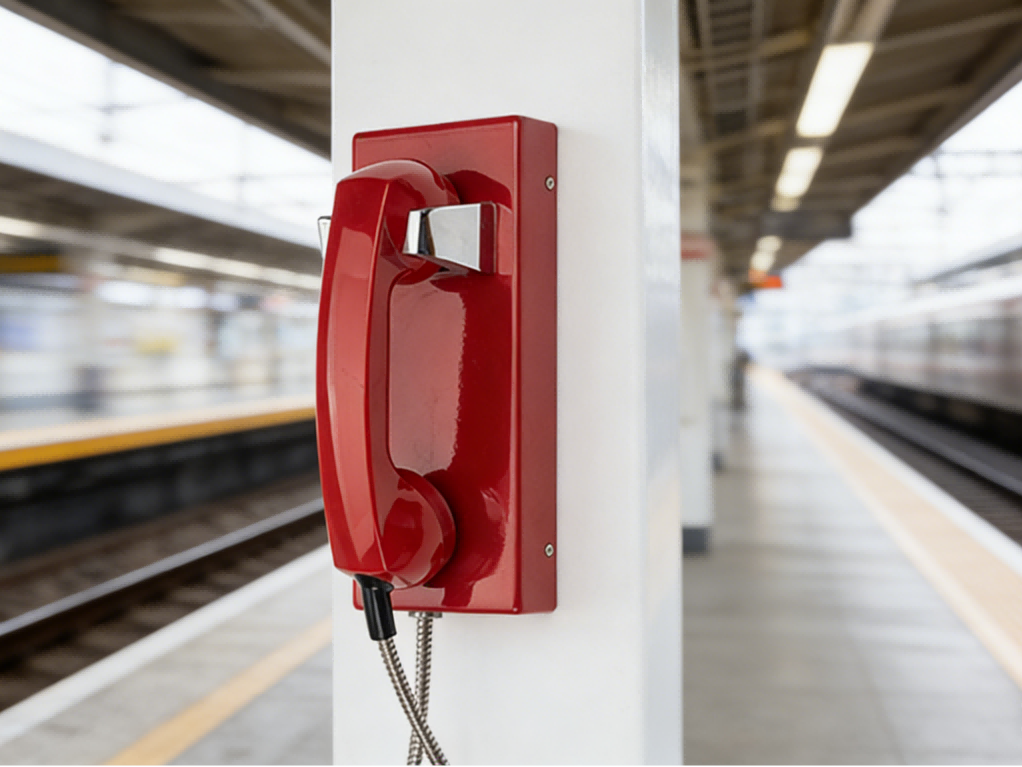
Standard telephone terminals cannot handle constant mechanical stress on high-vibration metro and train platforms. Conventional equipment often fails. This compromises safety and communication reliability in public transport. A specialized Rugged Telephone is essential. It ensures reliable and safe communication in these demanding environments.
Key Takeaways
- Regular phones break easily on train platforms. Constant shaking and noise damage them.
- Rugged phones are strong. They have tough cases and special parts to handle vibrations, water, and noise.
- Using rugged phones makes train platforms safer. They help communication work well and save money over time.
The Critical Need for Rugged Telephone Terminals on High-Vibration Platforms

Understanding the Unique Challenges of High-Vibration Environments
Metro and train platforms are dynamic, high-stress environments. Trains constantly rumble in and out of stations. This creates significant, continuous vibrations. These are not just minor shakes; they are powerful, mechanical forces. They impact every piece of equipment on the platform, especially communication devices. Imagine the constant, low-frequency hum and the sudden jolts. Standard electronics, designed for stable office settings, simply cannot endure this relentless mechanical stress day after day.
Common Failure Points of Standard Telephone Terminals
Regular telephones are simply not built for such harsh conditions. Their delicate internal components are highly susceptible to vibration damage. Constant shaking loosens critical electrical connections. Circuit boards can develop hairline cracks, leading to intermittent service or complete failure. Wires fray, and even the outer casing might develop stress fractures. These common issues quickly render conventional phones unreliable, creating a significant vulnerability in a critical public transport setting.
The Impact of Unreliable Communication on Safety and Operations
When communication systems fail, serious problems quickly emerge. Emergency calls might not connect, delaying crucial response times during an incident. Platform staff cannot coordinate effectively, which directly compromises passenger safety. What happens if a train operator needs to report an urgent issue, but the platform phone is dead? Operations also suffer. Unreliable communication leads to increased delays, passenger frustration, and higher maintenance costs from frequent repairs. A truly reliable communication system, like a Rugged Telephone, is essential to prevent these dangerous and costly disruptions.
Defining a Rugged Telephone Terminal: Key Features for Harsh Environments
A rugged telephone terminal is not just a regular phone in a tough box. Engineers design these specialized devices from the ground up for extreme conditions. They include specific features that help them survive and perform reliably where standard phones fail. Let’s look at what makes them so tough.
Robust Housing and Anti-Vibration Mounting for Rugged Telephones
The first thing you notice about a rugged telephone is its strong outer shell. Manufacturers build these housings from durable materials like marine-grade aluminum, stainless steel, or tough polycarbonate. These materials resist impacts, corrosion, and general wear and tear. But a strong shell is only part of the story. The way you mount the phone also matters a lot.
💡 Tip: Anti-vibration mounting systems use special dampeners or isolators. These parts absorb the constant shaking from passing trains. They prevent the vibrations from reaching the phone’s sensitive internal parts. This design keeps the phone stable and working.
Internal Component Resilience and Secure Wiring in Rugged Terminals
Inside a rugged terminal, every component has a secure place. Manufacturers do not just glue parts down. They often pot circuit boards in resin. This protects them from shock and moisture. All connections are tight and secure. Wires use special connectors that do not loosen from vibration. This careful internal design ensures the phone keeps working even when the platform shakes. It prevents common failures like loose wires or cracked circuit boards.
Environmental Protection: IP Ratings, Temperature, and Vandalism Resistance
Rugged telephones must also stand up to the elements and human interference.
- IP Ratings: These phones carry high Ingress Protection (IP) ratings. An IP66 rating, for example, means the phone is dust-tight and can withstand powerful water jets. This protects against rain, dust, and even cleaning procedures.
- Temperature Resistance: They operate reliably in a wide range of temperatures. They work in freezing winters and scorching summers.
- Vandalism Resistance: Many models include features to deter vandalism. These features include tamper-proof screws, reinforced keypads, and impact-resistant materials. This ensures the phone remains functional for everyone.
Enhanced Acoustic Performance for Noisy Platform Settings
Metro and train platforms are very noisy places. The sound of trains, announcements, and crowds can make conversations difficult. A rugged telephone addresses this challenge with enhanced acoustic performance. They often include:
- Noise-Canceling Microphones: These microphones filter out background noise. They focus on the speaker’s voice.
- Powerful Speakers: These speakers deliver clear audio, even over loud platform sounds.
- Acoustic Echo Cancellation: This feature prevents echoes, making conversations clearer.
These features ensure that people can hear and be heard clearly during important calls, even in the loudest environments.
Benefits of Deploying Rugged Telephone Terminals
Deploying rugged telephone terminals brings many advantages. These benefits go beyond just having a working phone. They improve safety, save money, and ensure compliance.
Ensuring Enhanced Safety and Emergency Response with Rugged Telephones
Reliable communication is crucial for safety. Rugged telephones ensure people can always call for help. This means faster response times during emergencies. Platform staff quickly report incidents. Passengers feel safer knowing help is always available. A working phone can make a big difference in a crisis.
Improving Operational Efficiency and Reducing Maintenance Costs
These phones work consistently. They reduce communication breakdowns. This helps operations run smoothly. Fewer repairs mean less money spent on maintenance. Staff can focus on their jobs, not fixing broken phones. This leads to better overall efficiency for the transport system.
Achieving Long-Term Cost Savings and Extended Product Lifespan
Investing in rugged terminals saves money over time. They last much longer than standard phones. This reduces the need for frequent replacements. Businesses avoid the costs of buying new equipment often. Their durability provides excellent value. A Rugged Telephone system is a smart long-term investment.
Meeting Industry Standards and Regulations for Public Transport
Public transport systems must follow strict rules. These rules cover safety and communication. Rugged phones help meet these important standards. They show a commitment to passenger safety. This ensures compliance with legal requirements and builds public trust.
Selecting and Installing Rugged Telephone Terminals for Optimal Performance
Choosing and setting up the right communication system for a high-vibration environment requires careful thought. You cannot just pick any phone. You need to consider many factors to ensure your Rugged Telephone performs reliably for years.
Assessing Specific Platform Vibration Levels and Environmental Conditions
Before you select any terminal, you must understand the specific challenges of your platform. How much does the platform vibrate? Is it a constant low hum, or does it experience sharp jolts when trains arrive? Engineers can use accelerometers to measure these vibration levels precisely. This data helps them choose terminals with the right anti-vibration features.
Beyond vibrations, consider the full range of environmental conditions. Does the platform face extreme heat or freezing cold? Is it exposed to heavy rain, dust, or even salt spray if it is near the coast? Think about potential chemical exposure from cleaning agents or exhaust fumes. Also, consider the risk of vandalism. A thorough assessment helps you pick a terminal with the correct IP rating, material construction, and vandal-resistant features.
Evaluating Connectivity Options for Rugged Telephones: VoIP, Analog, GSM
Modern rugged terminals offer several connectivity choices. Each option has its own benefits and drawbacks.
- VoIP (Voice over Internet Protocol): This option uses your existing network infrastructure. It offers advanced features like call forwarding and conferencing. VoIP can be very cost-effective for new installations or when you want to integrate with a larger communication system. However, it needs a stable network and often relies on Power over Ethernet (PoE).
- Analog (POTS – Plain Old Telephone Service): Analog phones are simple and reliable. They work well with existing copper lines. Many older systems still use analog lines, and they often have backup power from the central office. But analog systems offer fewer features and can be more expensive to install new lines.
- GSM (Global System for Mobile Communications): GSM terminals use mobile networks. They are wireless and do not need fixed lines. This makes them great for remote locations or temporary setups. They deploy quickly. However, they need good mobile network coverage and a SIM card. Signal drops can happen, and they require battery backup.
Your choice depends on your current infrastructure, budget, and the features you need.
Essential Installation Requirements and Cabling Protection
Proper installation is just as important as choosing the right terminal. You cannot just bolt a rugged phone anywhere. Use secure, anti-vibration mounts. Install the phone at an accessible height, following ADA compliance guidelines for public use.
Power is another critical factor. Ensure a reliable power source. For VoIP, this often means PoE. For analog or GSM, you might need dedicated power. Always consider battery backup for emergencies.
Cabling needs robust protection. Use armored cables or run them through conduits. This shields them from physical damage, UV exposure, and environmental factors. Route cables away from high-traffic areas, sharp edges, and heat sources. Use waterproof and vibration-resistant connectors to prevent common failure points. Proper grounding also protects the system from power surges and ensures safety.
Considerations for Maintenance, Support, and Manufacturer Reputation
Think about the long-term. How easy is it to maintain the terminal? Can technicians easily access internal components for service? Are spare parts readily available? Does the manufacturer provide diagnostic tools? Regular checks for wear and tear will extend the terminal’s life.
Good technical support is invaluable. Is the manufacturer’s support team responsive and knowledgeable? What kind of warranty do they offer? Do they provide training for your installation and maintenance staff?
Finally, consider the manufacturer’s reputation. Do they specialize in rugged communication solutions? What is their track record? Look for case studies or testimonials from other public transport operators. Check if their products meet relevant industry standards, like EN 50121-3-2 for railway applications. A reputable manufacturer shows a long-term commitment to their products and customers.
Investing in rugged telephone terminals is essential. They provide reliable, safe, and efficient communication. These specialized terminals ensure public safety and operational continuity on high-vibration metro and train platforms. Operators must make informed decisions. They consider unique challenges and specialized features. This enhances communication infrastructure.
FAQ
What makes a rugged telephone different from a regular one?
A rugged telephone is built tough. It has a strong casing and special internal parts. These features help it resist vibrations, water, dust, and even vandalism. 🛡️
Why are these phones so important for train platforms?
Train platforms have constant vibrations and noise. Standard phones fail quickly. Rugged phones ensure reliable communication for safety and smooth operations, even in tough conditions. 📞
Can you use a rugged phone in other harsh environments?
Yes, absolutely! People use rugged phones in many tough places. These include industrial sites, marine environments, and emergency services. They perform well where regular phones cannot. 🏭
 English
  Français
  Deutsch
  日本語
日本語  한국어
한국어