

Oil refineries require Intrinsically Safe Telephones in their ATEX Zone 1/2 areas. Standard communication devices present a critical ignition source within these explosive atmospheres. These specialized devices are not just optional; they are essential. They actively prevent catastrophic incidents from occurring, ensuring everyone’s safety.
Key Takeaways
- Refineries have flammable gases. Regular phones can cause sparks. These sparks can start fires or explosions.
- Intrinsically safe phones stop sparks. They limit electricity. This keeps workers safe in dangerous areas.
- These phones follow strict safety rules. They help workers talk during emergencies. This protects people and the refinery.
The Inherent Dangers of Refinery Environments and Standard Devices
Volatile Hydrocarbons and Flammable Gases
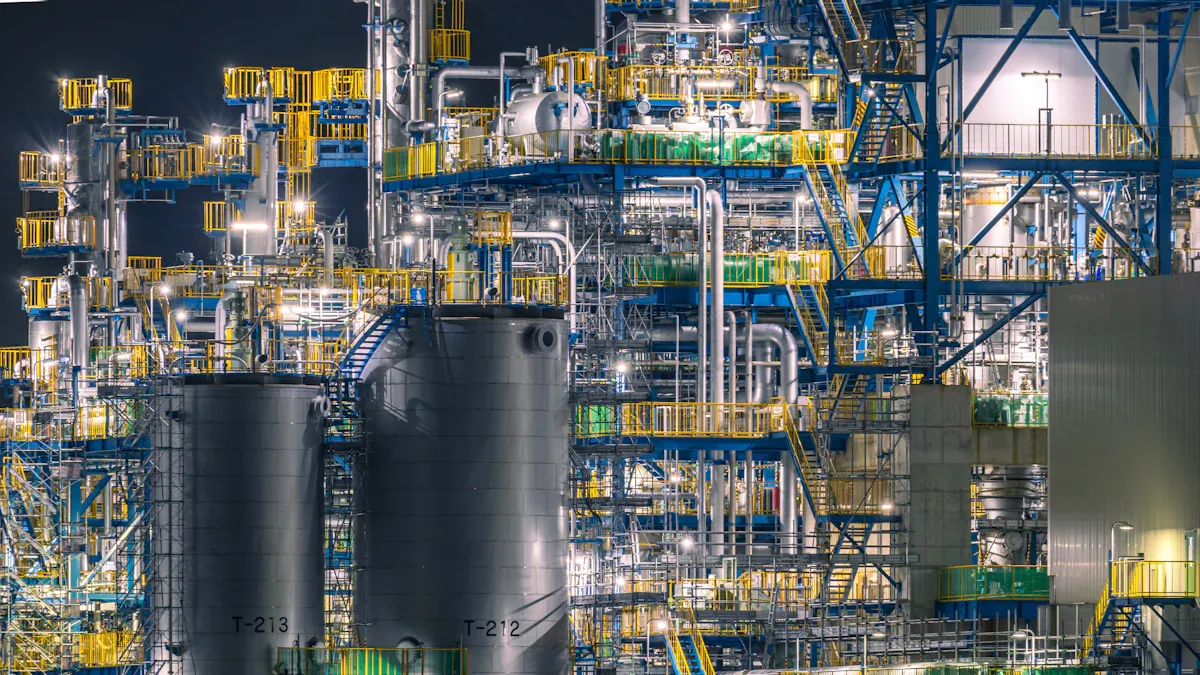
Oil refineries deal with many dangerous materials. They process crude oil, which contains volatile hydrocarbons. These liquids and gases easily turn into vapor. This creates a constant presence of flammable gases in the air. Think of gasoline fumes, but on a much larger scale and everywhere. These substances are highly combustible. They pose a significant fire and explosion risk. Workers must always be aware of these invisible threats.
Constant Risk of Explosive Atmospheres
Due to these volatile materials, explosive atmospheres are a constant threat. Even a small leak from a pipe or valve can release enough gas. This gas then mixes with the air. This mixture becomes highly flammable. A tiny spark can then ignite it, causing a fire or explosion. Refineries must always assume this risk exists. They implement strict safety protocols to manage this ever-present danger. This protects both people and equipment.
Standard Communication Devices as Ignition Sources
Regular communication devices are not safe in these hazardous areas. Your personal cell phone or a standard two-way radio can create sparks. These devices also generate heat during operation. Even small sparks or minor heat sources are enough to ignite flammable gases. This turns a simple communication attempt into a potential disaster.
“A standard mobile phone, for example, contains enough electrical energy to create a spark capable of igniting a flammable gas mixture.”
An Intrinsically Safe Telephone prevents this. It limits electrical energy to safe levels. This design ensures it cannot cause a spark or generate enough heat to ignite an explosive atmosphere.
How Intrinsically Safe Telephone Technology Mitigates Ignition Risks
Preventing Sparks and Heat Generation
Intrinsically safe technology works by design. It stops sparks and heat from ever happening. Engineers build these devices with special circuits. These circuits make sure no part can get hot enough to ignite gas. They also prevent any electrical spark. This is a big difference from regular phones. A normal phone can easily create a spark. It can also get warm. In a refinery, this is very dangerous. Intrinsically safe devices have sealed components. This keeps out dust and moisture. It also helps contain any potential energy. This careful design means the telephone itself cannot become an ignition source.
Limiting Electrical Energy to Safe Levels
The core idea behind intrinsic safety is simple. It limits the electrical energy inside the device. This energy stays below a level that can cause an explosion. How do they do this? They use special components. Resistors limit current flow. Zener diodes divert excess voltage. Fuses quickly cut off power if something goes wrong. These parts work together. They ensure that even if the device breaks, it cannot create a spark. It also cannot generate too much heat. This protection applies even if wires short-circuit. This makes the device safe in explosive atmospheres.
Ensuring Uninterrupted Communication in Emergencies
Communication is vital during an emergency. Imagine a gas leak or a fire. Workers need to talk to each other. They need to coordinate evacuation. They also need to manage the incident. An Intrinsically Safe Telephone ensures this communication. It works safely even when danger is present. This means people can get help. They can also share important information. This happens without adding more risk. These telephones are also very tough. They can handle the harsh conditions of a refinery. This reliability is key. It helps keep everyone safe when things go wrong.
Compliance, Certifications, and Operational Imperatives for Intrinsically Safe Telephone Use
Adherence to ATEX and IECEx Directives
Oil refineries operate under strict rules. They must follow specific directives for equipment used in hazardous areas. The ATEX directives (from the European Union) and IECEx (an international certification scheme) are crucial. These directives set the standards for equipment designed for explosive atmospheres. They ensure that devices, like communication tools, do not become ignition sources. An Intrinsically Safe Telephone receives rigorous testing. It must pass these tests to earn its ATEX or IECEx certification. This certification proves the device meets the highest safety requirements. Without it, a refinery cannot legally use the equipment in Zone 1/2 areas. Compliance is not optional; it is a legal mandate.
“Refineries must ensure all electrical and electronic equipment in hazardous areas carries the appropriate ATEX or IECEx certification. This is a non-negotiable safety requirement.”
Meeting Industry Safety Standards and Regulations
Beyond ATEX and IECEx, refineries must meet many other industry safety standards and national regulations. Organizations like OSHA (Occupational Safety and Health Administration) in the United States set guidelines for workplace safety. These regulations often require employers to provide a safe working environment. This includes using appropriate equipment in hazardous locations. Using certified intrinsically safe communication devices helps refineries meet these obligations. It shows a commitment to worker protection. Non-compliance carries severe consequences. These can include hefty fines, legal action, and even facility shutdowns. More importantly, it puts lives at risk. A refinery’s reputation also suffers greatly after an accident. Therefore, adhering to these standards is not just about avoiding penalties. It is about upholding a fundamental duty of care.
Enhancing Operational Reliability and Personnel Safety
Investing in intrinsically safe communication goes beyond mere compliance. It significantly enhances a refinery’s operational reliability and personnel safety. When workers have reliable, safe communication tools, they can perform their duties with confidence. During routine operations, clear communication prevents misunderstandings and improves efficiency. In an emergency, such as a chemical spill or equipment malfunction, immediate and secure communication is paramount. It allows quick coordination of emergency response teams. It also helps with evacuation procedures. This ensures everyone receives critical information without delay. These telephones are also built tough. They withstand the harsh conditions of a refinery environment. This durability means fewer equipment failures. It also means continuous communication when it matters most. Ultimately, these devices are a cornerstone of a robust safety culture. They protect both people and the refinery’s valuable assets.
Intrinsically Safe Telephones are vital for safety in ATEX Zone 1/2 refinery areas. They prevent ignition, ensure clear communication, and help maintain compliance. Investing in an Intrinsically Safe Telephone is a must for responsible refinery operations. This protects workers and prevents catastrophic accidents.
FAQ
What is an ATEX Zone 1/2 area?
ATEX Zone 1/2 areas have a high risk of explosive atmospheres. Flammable gases or vapors often exist there. Special certified equipment is mandatory for safety.
Why can’t people use a regular phone in a refinery?
Regular phones can spark or get hot. This ignites flammable gases in a refinery. They are dangerous and strictly forbidden in hazardous zones. (No phones allowed)
What does “intrinsically safe” mean for a telephone?
Intrinsically safe means the device limits electrical energy. It prevents sparks and heat. This design ensures it cannot ignite an explosive atmosphere.
 English
  Français
  Deutsch
  日本語
日本語  한국어
한국어