
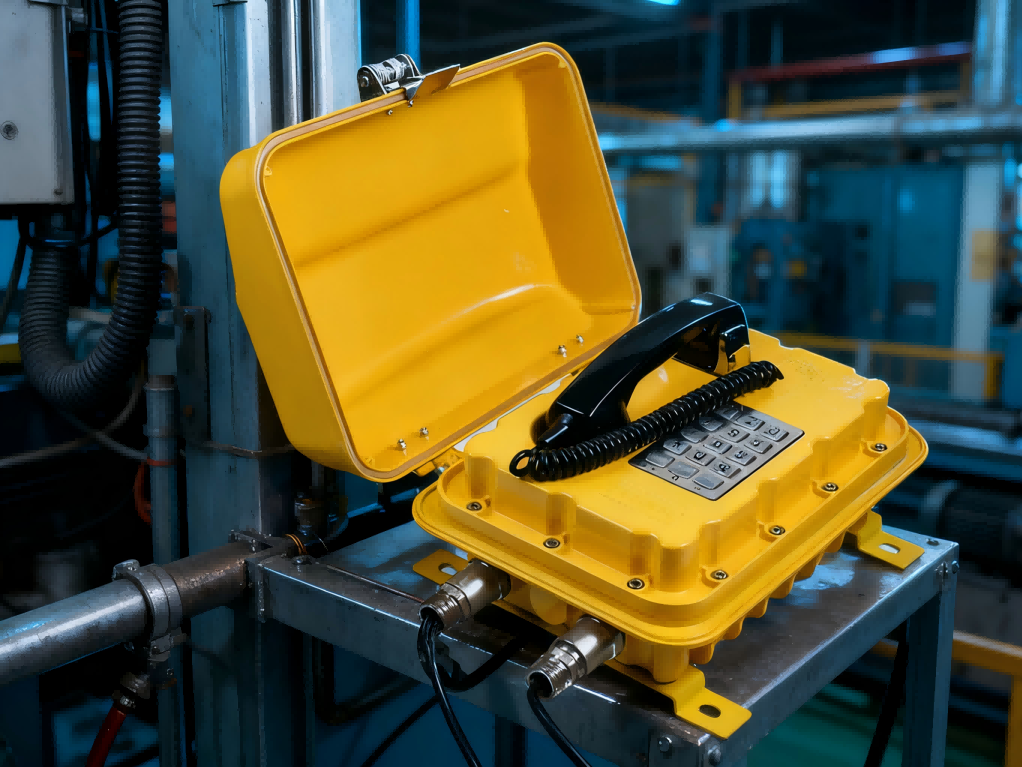
Explosive areas demand intrinsically safe industrial telephones. These devices are not optional. Engineers design them to stop ignition. This protects workers and keeps operations going. Regular equipment creates huge dangers in such places, posing catastrophic risks to everyone involved.
Key Takeaways
- Explosive areas need special phones. These phones stop sparks and heat. This keeps workers safe.
- Regular phones are dangerous in explosive places. They can cause big fires. Always use certified safe phones.
- Using safe phones is a must. It follows the law. It also saves lives and prevents huge costs from accidents.
Understanding Explosive Atmospheres and the Need for Intrinsically Safe Industrial Telephones
Imagine working in a place where a tiny spark could cause a huge explosion. That is the reality of an explosive atmosphere. You need to understand these dangerous places. This knowledge helps you see why special equipment, like intrinsically safe industrial telephones, is so important.
What Constitutes an Explosive Atmosphere?
An explosive atmosphere forms when flammable gases, vapors, mists, or combustible dusts mix with air. These mixtures become very dangerous. They can ignite easily. Think of a chemical plant, a grain silo, or an oil rig. These are common places where such conditions exist. The air itself becomes a potential hazard.
The Ignition Triangle: Fuel, Oxygen, and Ignition Source
An explosion needs three things. Experts call this the “Ignition Triangle.” First, you need fuel. This is the flammable gas, vapor, mist, or dust. Second, you need oxygen. Air provides this. Third, you need an ignition source. This could be a spark, a hot surface, or even static electricity. All three must be present for an explosion to happen. Remove just one part, and the risk goes away.
Why Standard Equipment is a Critical Hazard
Regular electronic devices are not safe in explosive atmospheres. They can easily create an ignition source. For example, a standard industrial telephone might produce a small spark when you plug it in or when a wire frays. Its internal components can also get hot. These sparks or hot spots complete the ignition triangle. They provide the exact energy needed to ignite the flammable mixture. This turns everyday equipment into a critical hazard. It puts lives and property at extreme risk.
The Core Principle of Intrinsic Safety for Industrial Telephones
How Intrinsic Safety Works: Limiting Electrical and Thermal Energy
Intrinsic safety is a very smart way to prevent explosions. It works by making sure electrical devices, like an industrial telephone, never release enough energy to ignite flammable materials. Engineers design these circuits with extreme care. They limit the voltage, current, and power to incredibly low levels. Even if a wire breaks or a component fails, the energy stays too low to cause a spark or heat up. Imagine it: a tiny, safe bubble of electricity that cannot harm its surroundings. This design principle is fundamental.
Preventing Sparks and Hot Surfaces
Remember the ignition triangle? Intrinsic safety directly attacks the “ignition source” part. It stops sparks from happening. It also prevents surfaces from getting too hot. Special components, like Zener barriers or opto-isolators, help achieve this critical safety. They ensure no part of the device can reach a temperature high enough to ignite gases or dust. This means even if the device malfunctions or gets damaged, it remains completely safe. No dangerous sparks, no hot spots – just reliable operation.
Intrinsic Safety Versus Other Protection Methods
Other methods exist to protect equipment in hazardous areas. For example, explosion-proof enclosures contain an explosion if it happens inside. Purging or pressurization keeps flammable gases out. However, intrinsic safety is fundamentally different. It prevents the ignition from ever starting within the device itself. It’s like preventing a fire instead of just containing it after it begins. For essential communication tools, such as an industrial telephone, intrinsic safety offers a very reliable and often preferred solution because it’s inherently safe by design. 💡
Why Intrinsically Safe Industrial Telephones Are Non-Negotiable
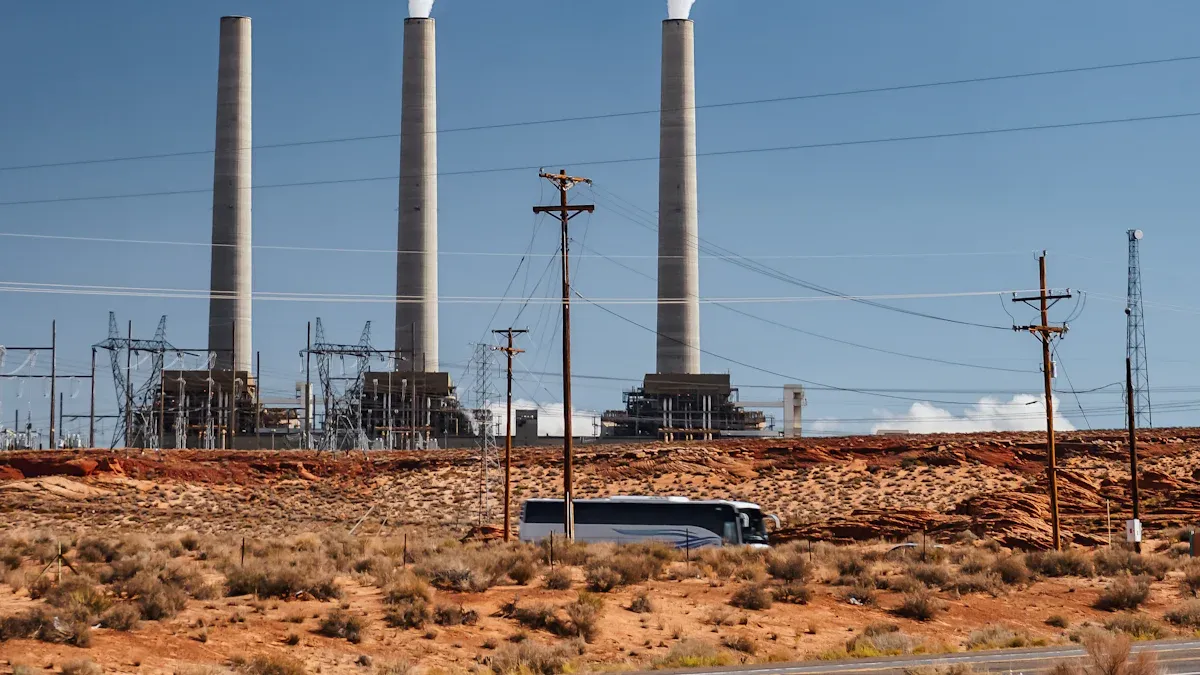
Choosing the right equipment for hazardous areas is not just a good idea. It is a critical decision. When you deal with explosive atmospheres, intrinsically safe industrial telephones become an absolute necessity. You cannot compromise on this. The reasons are clear and compelling.
Legal and Regulatory Compliance Mandates
Governments and industry bodies set strict rules for working in hazardous locations. These rules exist to protect lives and prevent disasters. Regulatory bodies like OSHA in the United States or ATEX in Europe mandate specific safety standards. They require equipment used in explosive atmospheres to meet certain certifications. An intrinsically safe industrial telephone, for example, must carry the proper certification. This shows it meets the rigorous safety requirements. Companies simply must follow these laws. Ignoring them leads to serious legal trouble.
Catastrophic Consequences of Non-Compliance
The risks of not using intrinsically safe equipment are enormous. They go far beyond just breaking a rule.
- Loss of Life and Injury: An explosion can cause severe injuries or even death for workers. This is the most tragic outcome.
- Property Damage: Explosions destroy buildings, machinery, and infrastructure. The financial cost of rebuilding can be staggering.
- Environmental Harm: Accidents in industrial settings often release harmful chemicals into the environment. This causes long-term damage.
- Legal Penalties and Fines: Regulators impose huge fines on companies that fail to comply. These penalties can run into millions of dollars.
- Reputational Damage: A major incident severely harms a company’s public image. Customers and partners lose trust. This can take years to repair.
- Operational Shutdowns: Investigations and repairs after an incident can halt operations for extended periods. This means lost production and revenue.
These consequences are not just possibilities. They are real threats.
The Cost of Compromise Versus Investment in Safety
Some people might see intrinsically safe equipment as an added expense. However, this view misses the bigger picture. Think about the true cost of compromise. A single accident, caused by using standard equipment where intrinsically safe gear was needed, can cost a company far more than the initial investment in safety.
Consider these points:
- Direct Costs of an Accident:
- Medical bills for injured workers.
- Repair or replacement of damaged property.
- Environmental cleanup expenses.
- Legal fees and settlement costs from lawsuits.
- Regulatory fines.
- Indirect Costs of an Accident:
- Lost productivity during shutdowns.
- Damage to company reputation and brand value.
- Decreased employee morale and increased turnover.
- Higher insurance premiums.
Investing in intrinsically safe industrial telephones and other certified equipment is a proactive step. It prevents these catastrophic costs. It shows a company values its employees and its operations. This investment is not just about avoiding penalties. It is about creating a safe, reliable, and sustainable work environment. It is a fundamental commitment to safety.
Intrinsically safe industrial telephones are truly non-negotiable. They are an absolute necessity. They safeguard lives, protect valuable assets, and ensure smooth operations in explosive atmospheres. Choosing certified intrinsically safe equipment isn’t just a rule. It shows a fundamental commitment to safety and compliance. This protects everyone.
FAQ
What does “intrinsically safe” mean?
It means the device cannot release enough electrical or thermal energy to ignite flammable gases, vapors, mists, or dusts. It prevents explosions by design. 💡
Why can’t you use a regular phone in a hazardous area?
Standard phones can create sparks or get hot. These actions provide an ignition source for explosive atmospheres. This poses a severe risk of explosion. 💥
Are all industrial telephones intrinsically safe?
No, not all industrial telephones are intrinsically safe. You must look for specific certifications like ATEX or UL to ensure they meet the required safety standards for hazardous locations. ✅
 English
  Français
  Deutsch
  日本語
日本語  한국어
한국어