
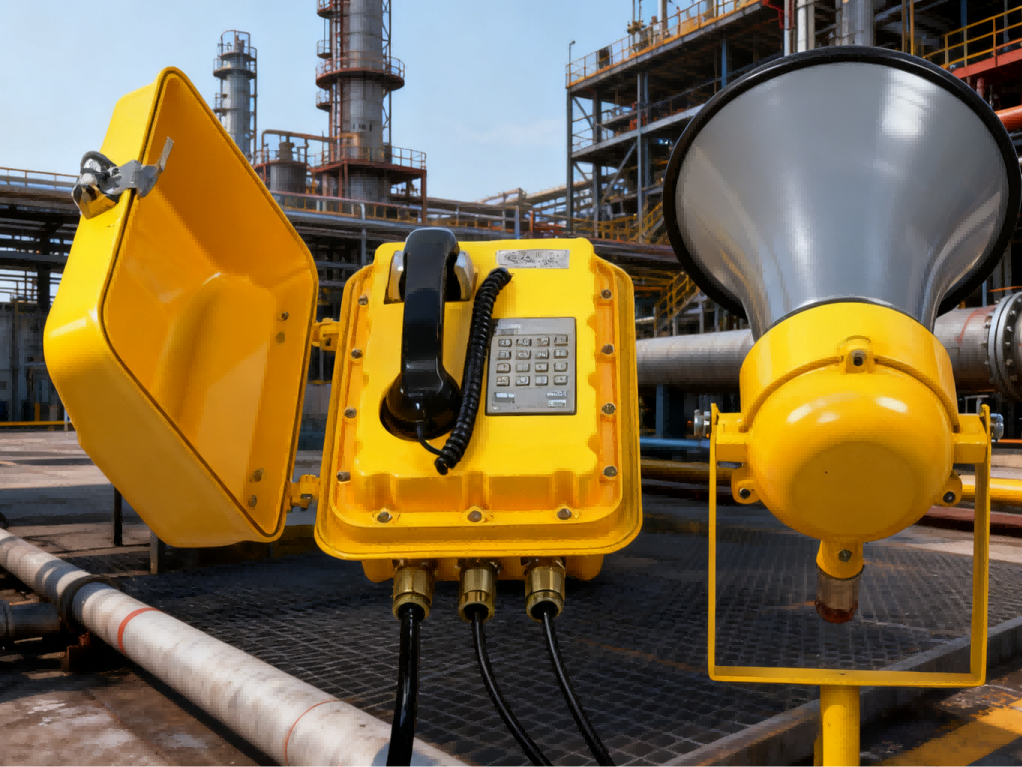
Hazardous Area Telephones are crucial for safety. They give reliable, intrinsically safe communication. This is vital in places where standard devices could cause an explosion. These specialized phones directly protect people and valuable equipment. They help prevent potential disasters in dangerous environments.
Key Takeaways
- Hazardous Area Telephones are special phones. They keep people safe in dangerous places. These phones do not cause sparks or heat. This stops explosions in areas with flammable gases or dusts.
- These phones have strong designs. They work in harsh conditions. They also have features like noise cancellation and emergency buttons. This helps workers communicate clearly and quickly during problems.
- Using Hazardous Area Telephones protects workers and equipment. It also helps companies follow safety rules. This prevents accidents and saves money.
Understanding Hazardous Environments and Communication Risks
What Defines a Hazardous Area?
A hazardous area is a specific location where fire or explosion risks are very real. These places contain flammable gases, vapors, or liquids. They might also have combustible dusts or ignitable fibers. When these substances mix with air, they create an an explosive atmosphere. This means a small spark or heat source can cause a big disaster. Think about oil refineries, chemical processing plants, or even grain silos. These are common examples of such environments. Safety experts classify these areas carefully. They look at what hazardous materials are present and how often they appear. This classification helps determine the right safety measures and equipment needed.
The Peril of Standard Communication Devices
Using standard communication devices in these dangerous zones is extremely risky. Regular phones, radios, or even laptops are not safe. They can generate sparks from electrical contacts. They also produce heat from their batteries or circuits. Furthermore, they emit electromagnetic radiation. Any of these elements can easily ignite the hazardous substances in the air. Imagine a simple cell phone ringing and causing a massive explosion. This scenario is not just a movie plot; it is a real danger. Such an event leads to terrible outcomes. Personnel can suffer severe injuries or even die. Expensive equipment and facilities face total destruction. Operations stop immediately, causing significant financial loss. This is why regulations strictly forbid using non-certified devices. A specialized Hazardous Area Telephone is designed to operate safely. It eliminates these ignition risks, providing a critical communication link without danger.
Hazardous Area Telephones: A Specialized Safety Solution
What Are Hazardous Area Telephones?
Hazardous Area Telephones are not your everyday office phones. These specialized communication devices are engineered specifically for use in dangerous environments. Think about places with flammable gases, vapors, dusts, or fibers. Standard phones create sparks or heat. These can easily ignite explosive atmospheres. Hazardous Area Telephones, however, prevent this risk. They use special design principles to ensure they do not become an ignition source. This means they can operate safely even when surrounded by highly combustible materials. They provide a critical link for communication without adding to the danger.
💡 Safety Tip: Always verify that any communication device used in a hazardous area carries the correct certification for that specific zone classification. This ensures maximum safety.
Key Features of Hazardous Area Telephones for Enhanced Safety
These specialized phones come packed with features designed for extreme conditions and ultimate safety. They go far beyond what a regular phone offers.
- Intrinsic Safety and Explosion-Proof Design: This is their most crucial feature. Intrinsically safe phones limit electrical and thermal energy to levels too low to ignite hazardous substances. Explosion-proof models contain any internal explosion, preventing it from spreading to the outside atmosphere. Both designs ensure the phone itself will not cause a spark or heat that could trigger a disaster.
- Robust and Durable Construction: Hazardous environments are often harsh. These telephones feature rugged casings, usually made from tough materials like reinforced plastic or stainless steel. They resist impacts, vibrations, and corrosion. Many models are also weatherproof, dustproof, and water-resistant, meeting high IP (Ingress Protection) ratings. This means they keep working reliably in rain, dust storms, or extreme temperatures.
- Noise Cancellation Technology: Industrial settings are often very loud. High levels of background noise can make communication impossible. Hazardous Area Telephones often include advanced noise-canceling microphones and speakers. This ensures clear voice transmission and reception, even in extremely noisy environments. Workers can hear and be heard, which is vital during emergencies.
- Hands-Free Operation: In many hazardous jobs, workers need their hands free. These phones often support hands-free operation, either through a speakerphone function or by connecting to specialized headsets. This allows personnel to communicate while performing critical tasks or managing equipment.
- Emergency Call Functions: Many models include dedicated emergency buttons. A single press can dial pre-programmed emergency numbers or activate an alarm system. This feature drastically speeds up response times during critical incidents, potentially saving lives and minimizing damage.
- Clear, High-Visibility Keypads and Displays: Workers in hazardous areas might wear gloves or work in low-light conditions. These phones often have large, tactile buttons and backlit displays. This makes them easy to operate and read, even under challenging circumstances.
These features combine to make a Hazardous Area Telephone an indispensable tool. It ensures reliable, safe communication when it matters most.
Direct Impact of Hazardous Area Telephones on Protection
Hazardous Area Telephones do more than just let people talk. They actively protect lives and valuable equipment. These specialized devices create a safety net in dangerous places. They make sure critical information gets through when it matters most.
Safeguarding Personnel Through Instant Communication
Instant communication is a lifesaver in hazardous areas. When an emergency happens, every second counts. Workers need to report incidents right away. They also need to receive urgent instructions. Hazardous Area Telephones make this possible. They provide a clear, reliable link.
Imagine a gas leak or a fire.
- A worker can immediately call for help.
- Supervisors can warn everyone in the area.
- Emergency teams get precise information quickly.
This fast exchange of information prevents small problems from becoming big disasters. It helps workers evacuate safely. It also guides rescue efforts. This direct communication saves lives and prevents serious injuries. It gives everyone peace of mind, knowing help is just a call away.
Protecting Valuable Assets and Operations
Hazardous Area Telephones also play a big role in protecting expensive equipment and keeping operations running. Early warnings can prevent massive damage. If a machine starts to overheat, a worker can report it instantly. This allows maintenance teams to act fast. They can shut down the equipment or fix the problem before it breaks completely.
🚨 Real-World Impact: A quick call about an unusual smell can prevent an explosion that destroys an entire processing unit. This saves millions of dollars in repairs and lost production.
Without these phones, a small issue could escalate. It could damage critical machinery. It could also halt production for days or weeks. This costs companies a lot of money. Reliable communication helps avoid these costly shutdowns. It keeps the facility safe and productive.
Compliance and Risk Mitigation with Hazardous Area Telephones
Using the right equipment in hazardous areas is not just good practice. It is often the law. Many industries must follow strict safety regulations. Organizations like OSHA, ATEX, and IECEx set these rules. They demand certified equipment in dangerous zones. A Hazardous Area Telephone meets these tough standards.
By installing these specialized phones, companies show they care about safety. They also meet legal requirements. This helps them avoid big fines and legal problems. It also reduces the risk of accidents. Fewer accidents mean a safer workplace. It also means less chance of lawsuits or damage to a company’s reputation. These phones are a smart investment. They protect people, property, and the company’s future.
Selecting and Implementing the Right Hazardous Area Telephone System
Assessing Your Specific Hazardous Environment
First, you must understand your specific hazardous environment. What kind of dangerous materials are present? Are they flammable gases, vapors, dusts, or fibers? Experts classify these areas into zones. For example, Zone 0, 1, or 2 for gases. Zone 20, 21, or 22 for dusts. This classification tells you how often the danger is present. Knowing your zone is the first crucial step. It helps you choose the right equipment. You cannot pick a phone without this vital information.
Key Considerations for Hazardous Area Telephone Selection
When choosing a Hazardous Area Telephone, look for specific certifications. ATEX and IECEx are common examples. These certifications prove the phone is safe for your exact zone. Consider the environment too. Does it get very hot or cold? Is it dusty or wet? The phone needs to withstand these harsh conditions. Think about how people will use it. Do they need hands-free communication? Does it need noise cancellation for loud areas? These features improve both safety and usability for your team.
Installation and Maintenance Best Practices
Proper installation is very important for safety. Only qualified technicians should install these specialized phones. They follow strict guidelines and local codes. Incorrect installation can create new risks. After installation, regular maintenance keeps the system working well. Test the phones often. Check for any physical damage or wear. Follow the manufacturer’s instructions for care and inspection. This ensures the phones remain reliable. They will protect your team and assets for a long time, providing peace of mind.
These devices are more than just communication tools; they are fundamental safety devices. They actively protect personnel and assets. They enable secure, reliable communication in challenging environments. These specialized telephones are indispensable for uncompromised safety and operational resilience in hazardous locations.
They truly are a critical safeguard, ensuring everyone stays connected and safe.
FAQ
❓ What makes a telephone “hazardous area safe”?
Hazardous area telephones limit electrical energy and heat. They prevent sparks or high temperatures. This stops them from igniting flammable gases or dusts in dangerous environments. They often have special certifications.
📱 Can I use my regular smartphone in a hazardous area?
No, you cannot use a regular smartphone. Standard phones can create sparks or heat. These can cause an explosion in a hazardous environment. Always use certified hazardous area telephones.
👷 Why are these specialized telephones so important for safety?
They provide reliable communication without causing ignition. This protects personnel during emergencies. They also help prevent damage to valuable assets. They ensure compliance with strict safety regulations.
 English
  Français
  Deutsch
  日本語
日本語  한국어
한국어