
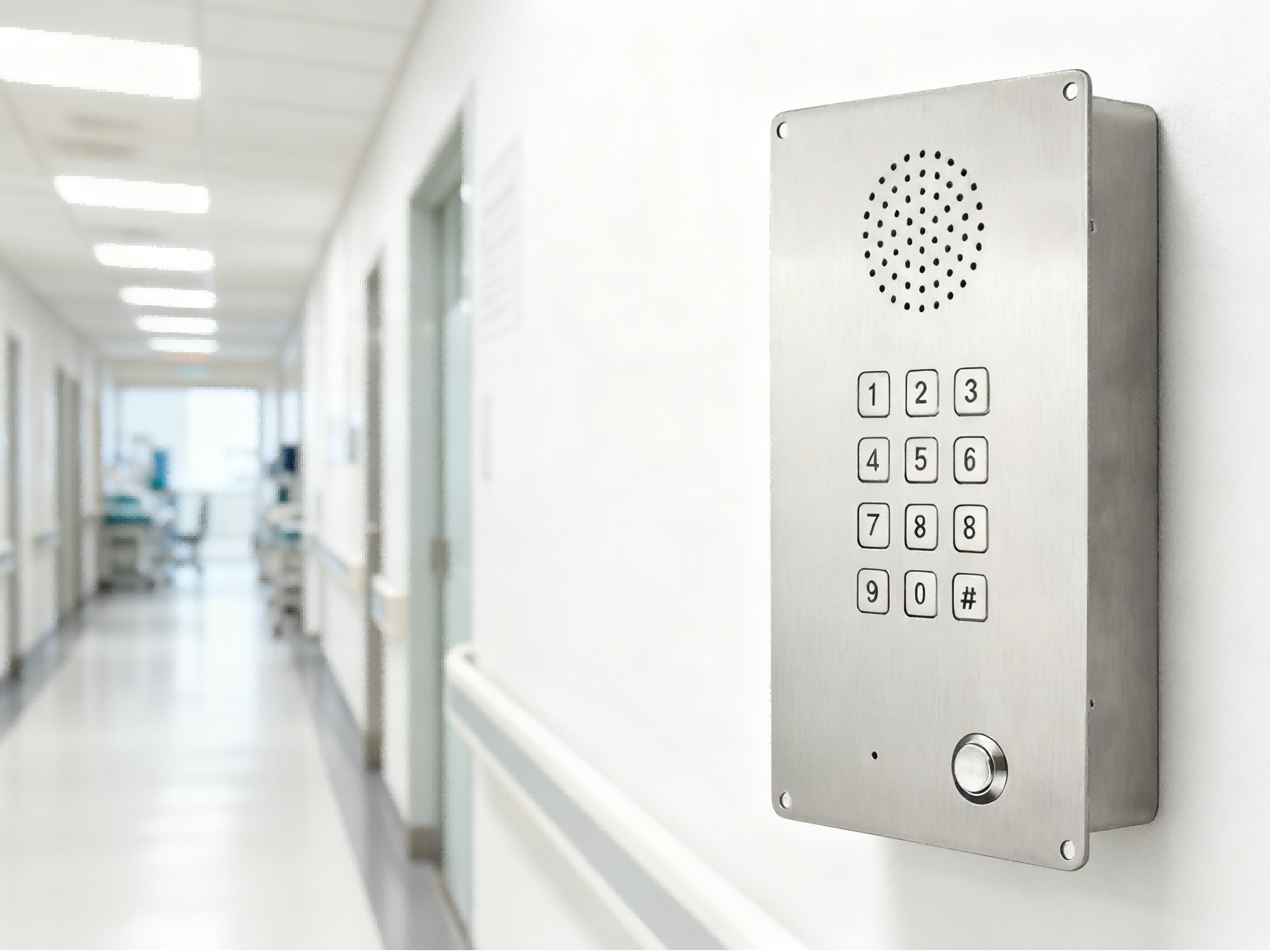
Hands-free hospital telephones play a crucial role in infection control. They significantly improve patient care by minimizing pathogen transmission. This innovative technology is quickly becoming indispensable in healthcare settings. It helps maintain a sterile environment and also boosts operational efficiency for staff.
Key Takeaways
- Hands-free hospital telephones stop germs from spreading. They reduce how many surfaces people touch. This makes hospitals cleaner and safer for everyone.
- These phones help hospital staff work faster. Staff can talk on the phone while doing other tasks. This makes patient care better and more efficient.
- Hands-free phones improve patient safety. Staff can get help quickly in emergencies. This helps patients get the care they need right away.
The Urgent Need for Enhanced Hygiene in Healthcare
The Challenge of Hospital-Acquired Infections (HAIs)
Hospital-acquired infections, or HAIs, pose a serious threat in healthcare settings. Patients often enter hospitals for treatment, but they can unfortunately contract new infections there. These infections make people sicker and can even be deadly. They also cost healthcare systems a lot of money. Many HAIs spread through contact with contaminated surfaces or equipment. This makes strict hygiene practices incredibly important. Hospitals work hard to prevent these infections. They know that every surface and every item can potentially carry germs.
Limitations of Traditional Communication Devices in Hospitals
Think about how staff communicate in a hospital. They use phones, walkie-talkies, and other devices. These traditional tools create a big problem for hygiene. Many different people touch them throughout the day. This makes them common touchpoints for germs. Cleaning these devices thoroughly and often is difficult. They have small buttons and crevices where bacteria can hide. These devices become fomites, meaning they carry infection from one person to another. This constant touching and sharing directly works against infection control efforts. A Hands-Free Hospital Telephone offers a clear solution to this challenge. It helps reduce these risky touchpoints.
How Hands-Free Hospital Telephones Revolutionize Hygiene
Minimizing Touchpoints and Cross-Contamination with Hands-Free Hospital Telephones
Hands-free technology significantly reduces the number of surfaces people touch. Think about it: traditional phones require someone to pick up a handset or press buttons. Many different hands touch these surfaces throughout the day. This creates a perfect pathway for germs to spread. Hands-free hospital telephones change this completely. They often use voice activation or foot pedals. This means staff can make calls without ever touching the device with their hands. Less touching means fewer chances for germs to move from one person or surface to another. This simple change breaks the chain of infection. It makes the hospital environment much safer for everyone.
Ease of Cleaning and Maintenance for Hands-Free Hospital Telephones
Cleaning traditional hospital phones is a real challenge. They have many small buttons and crevices. Germs can hide in these tiny spaces. It takes a lot of time and effort to clean them properly. Hands-free phones, however, feature smooth, non-porous surfaces. They often lack physical buttons. This design makes cleaning incredibly easy. Staff can quickly wipe them down with disinfectant. This saves valuable time. It also ensures a more thorough cleaning. Easy maintenance helps hospitals keep a consistently sterile environment. This is a big win for hygiene.
Integrating Hands-Free Hospital Telephones with Infection Control Protocols
Hospitals already have strict rules for infection control. These rules include hand washing, using personal protective equipment, and disinfecting surfaces. Hands-free hospital telephones fit perfectly into these existing protocols. They do not replace other hygiene practices. Instead, they enhance them. Hospitals can easily add these devices to their cleaning schedules. Staff training on the new equipment is also straightforward. They learn how to use the phones and how to keep them clean. This integration strengthens the hospital’s overall strategy against infections. It creates a more robust defense system against harmful pathogens.
Beyond Hygiene: Additional Benefits of Hands-Free Hospital Telephones
Hands-free communication offers more than just a cleaner environment. These devices bring many other advantages to hospitals. They make daily tasks easier and improve how everyone experiences healthcare.
Enhanced Workflow and Efficiency for Staff with Hands-Free Hospital Telephones
Hospital staff always move quickly. They often need to do many things at once. Imagine a nurse who needs to call a doctor. She might hold a patient’s arm or adjust medical equipment. With a traditional phone, she would need to stop what she is doing. She would have to pick up the handset and dial. This takes valuable time.
Hands-free hospital telephones change this. Staff can make calls using voice commands. They can also use a foot pedal. This means their hands stay free. They can continue caring for patients or performing other tasks. This saves precious seconds. It also reduces interruptions. Staff can respond faster to emergencies. They can also coordinate care more smoothly. This makes their work much more efficient.
Improved Patient Experience and Safety through Hands-Free Hospital Telephones
Patients come to the hospital for care. They want to feel safe and well-cared for. When staff use hands-free devices, patients notice. Staff can give their full attention to the patient. They do not need to juggle a phone. This makes patients feel more valued. It also builds trust.
Faster communication also improves patient safety. If a patient’s condition changes suddenly, staff can call for help right away. They do not waste time fumbling with a phone. This quick response can make a big difference. It helps ensure patients get the care they need exactly when they need it.
Cost-Effectiveness and Long-Term Value of Hands-Free Hospital Telephones
Investing in new technology always involves cost. However, hands-free hospital telephones offer significant long-term value. First, they are durable. Many models are built to withstand the tough hospital environment. They are less likely to break from drops or constant handling. This means hospitals spend less money on repairs or replacements.
Second, these phones reduce the need for frequent, deep cleaning of communication devices. This saves money on cleaning supplies and staff time. Third, improved efficiency means staff can care for more patients effectively. This can lead to better patient outcomes. Better outcomes often mean shorter hospital stays. All these factors contribute to overall cost savings for the hospital. It is a smart investment for the future.
Implementing Hands-Free Hospital Telephones: Key Considerations
Bringing new technology into a hospital requires careful planning. Hospitals must think about several things to make sure hands-free telephones work well.
Technology Selection and Integration of Hands-Free Hospital Telephones
Choosing the right system is the first step. Hospitals need to pick a Hands-Free Hospital Telephone that fits their specific needs. Does it work with their current nurse call system? Can it connect to their electronic health records? Look for devices that are tough and easy to clean. Some systems offer voice activation, while others use foot pedals. Think about which features will help staff the most. A good choice makes daily tasks smoother.
Staff Training and Adoption of Hands-Free Hospital Telephones
Even the best technology needs proper training. Staff members need to learn how to use the new hands-free devices. Show them the benefits, like better hygiene and faster communication. Address any questions or worries they might have. Make the transition easy for them. When staff feel comfortable, they will use the new phones more often. This helps everyone adopt the new system quickly.
Addressing Privacy and Security with Hands-Free Hospital Telephones
Voice communication always brings up privacy concerns. Hospitals must ensure conversations remain private and secure. Think about how these devices handle sensitive patient information. Does the system encrypt calls? Does it meet important rules like HIPAA? Protecting patient data is crucial. Hospitals need to choose systems that keep all communications safe and confidential.
Hands-free hospital telephones truly represent a critical advancement. They create a more hygienic, efficient, and patient-centric healthcare environment. Adopting these devices is a vital step. It establishes a new standard for communication in hospitals, ensuring safer and more effective care for everyone. It’s a smart move for the future of healthcare!
FAQ
What are the main benefits of hands-free hospital telephones?
Hands-free phones boost hygiene by cutting down touchpoints. They also make staff work faster and improve patient safety. Hospitals save money in the long run too.
How do these phones help prevent infections?
They reduce direct contact with shared surfaces. This stops germs from spreading between people and equipment. Cleaning them is also much easier, keeping the environment sterile. (cleaning emoji)
Are hands-free phones difficult for staff to learn?
No, they are usually very user-friendly. Hospitals provide training to help staff get comfortable quickly. Most find them easy to use and appreciate the convenience. (thumbs up emoji)
 English
  Français
  Deutsch
  日本語
日本語  한국어
한국어