
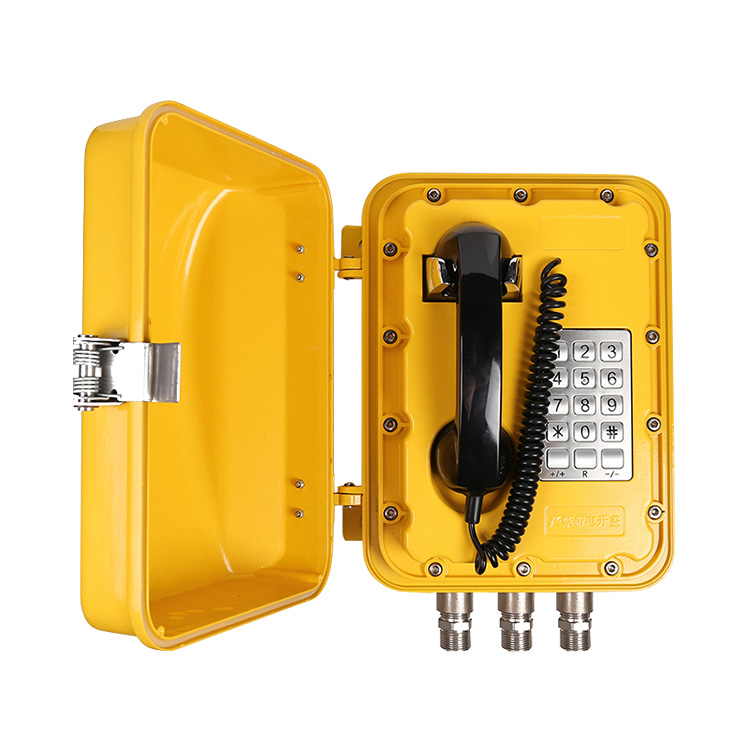
Explosion-proof phones are vital for safety in hazardous environments. They prevent ignition where flammable materials exist, like in petrochemical storage facilities. An Explosion-Proof Telephone directly addresses these severe risks. It ensures devices do not create dangerous sparks, protecting personnel and assets.
Key Takeaways
- Explosion-proof phones stop sparks. They prevent fires in places with flammable materials. This keeps workers and equipment safe.
- These phones have special designs. They limit energy and use strong cases. This meets strict safety rules like ATEX and IECEx.
- Explosion-proof phones offer clear talk. They are tough and have emergency buttons. This helps workers communicate and stay safe in dangerous areas.
The Inherent Dangers of Petrochemical Storage Facilities and Standard Phones
Understanding Flammable Atmospheres and Ignition Sources
Petrochemical storage facilities handle incredibly volatile substances every day. Imagine vast tanks holding crude oil, natural gas, or various refined chemicals. These materials constantly release flammable vapors or gases into the surrounding air. Sometimes, even fine dust particles, like those from certain chemical processes, can become explosive when suspended. This combination creates what experts call a “flammable atmosphere.” For a fire or explosion to occur, you need three critical elements: fuel (the flammable substance), oxygen (readily available in the air), and an ignition source. Standard mobile phones, unfortunately, pose a significant and often underestimated risk here. They are simply not designed for these hazardous environments. A phone’s battery or internal electrical circuits can generate tiny sparks during normal operation or if damaged. Even static electricity built up on a device or a person can discharge, creating a spark. These seemingly small sparks are more than enough to ignite a highly flammable atmosphere, turning a routine day into a disaster.
Catastrophic Consequences of Uncontrolled Ignition
What happens if a spark ignites these dangerous atmospheres? The consequences are truly devastating and far-reaching. Facilities could experience massive, uncontrolled explosions and raging fires that spread rapidly. Such events cause severe injuries or even fatalities among personnel working nearby. They also lead to the complete destruction of valuable infrastructure, equipment, and stored materials. Beyond the immediate physical damage, environmental contamination becomes a huge, long-term problem, affecting local ecosystems and communities. Companies face immense financial losses from repairs, operational shutdowns, and hefty regulatory fines. Their reputation also suffers severe damage. A single, unapproved device, like a standard phone, can trigger this entire chain of catastrophic events. It is a risk no petrochemical facility can ever afford to take. Protecting lives, assets, and the environment demands strict adherence to specialized safety protocols.
How an Explosion-Proof Telephone Mitigates Ignition Risks
Petrochemical facilities need reliable communication without adding danger. An Explosion-Proof Telephone specifically addresses the ignition risks present in these volatile environments. It uses clever engineering and strict adherence to safety standards. These phones are not just regular devices in a tough case. They are fundamentally different in how they operate and how they are built.
Intrinsic Safety Design and Robust Enclosures
The core of an Explosion-Proof Telephone’s safety lies in its intrinsic safety design. This design principle focuses on preventing ignition by limiting the electrical and thermal energy available in the device. Think of it this way: even if a fault occurs, the phone cannot produce a spark or heat hot enough to ignite flammable gases or dust. Engineers achieve this by using special circuits that restrict current and voltage to very low levels. They also incorporate components that cannot store enough energy to create a dangerous discharge. This means the phone simply lacks the “power” to cause an explosion, even in the worst-case scenario.
Beyond the internal circuitry, these phones feature incredibly robust enclosures. These are not just for show. They act as a protective barrier. The enclosures are often made from tough materials like reinforced plastics or specialized metals. They prevent flammable gases or dust from entering the phone’s internal components. This stops any potential internal spark from reaching the hazardous atmosphere outside. Furthermore, these enclosures are designed to withstand harsh industrial conditions. They resist impacts, vibrations, and extreme temperatures. This ensures the phone remains intact and safe, even in demanding operational settings.
Certified Compliance with ATEX and IECEx Standards
You cannot just call a phone “explosion-proof” and expect it to be safe. It must pass rigorous testing and gain specific certifications. ATEX and IECEx are two of the most important global standards for equipment used in hazardous areas. ATEX is a European Union directive. It sets essential health and safety requirements for products intended for use in potentially explosive atmospheres. IECEx is an international system. It provides a globally accepted method for proving compliance with IEC standards related to equipment for use in explosive atmospheres.
When an Explosion-Proof Telephone carries ATEX and IECEx certifications, it means independent experts have thoroughly tested and approved it. These certifications confirm the phone meets strict safety criteria. They guarantee the device will not become an ignition source under specified conditions. This compliance gives facility managers and workers peace of mind. They know the communication equipment they use has been verified by the highest safety authorities. Choosing certified devices is not just good practice; it is a critical step in maintaining a safe working environment and complying with international safety regulations.
Critical Features of an Explosion-Proof Telephone for Operations
Petrochemical facilities demand more than just basic safety from their communication devices. They need tools that actively support operations while keeping everyone safe. An Explosion-Proof Telephone offers a suite of features specifically designed for these challenging environments. These features go beyond preventing sparks; they enhance daily work and emergency response.
Secure Communication in Hazardous Zones
Imagine trying to talk on a standard phone in a noisy refinery. It is nearly impossible. Explosion-proof phones solve this problem with advanced audio technology. They often include powerful noise-canceling microphones. These microphones filter out the loud sounds of machinery and pumps. This means workers can hear and be heard clearly, even when wearing personal protective equipment (PPE) like ear defenders.
Many of these specialized phones also feature push-to-talk (PTT) capabilities. This works like a walkie-talkie. A worker presses a button to speak to a group or an individual instantly. This quick, direct communication is vital during routine tasks or in an emergency. It allows teams to coordinate actions without delay. Some models even integrate with existing facility communication systems. This creates a seamless network across hazardous and non-hazardous areas. Secure communication prevents misunderstandings and helps teams respond quickly to any situation. It keeps everyone informed and safe.
Durability, Reliability, and Emergency Functionality
Petrochemical environments are tough on equipment. Standard phones simply cannot survive the daily wear and tear. Explosion-proof phones, however, are built like tanks. They feature incredibly durable casings, often made from reinforced polymers or metals. These materials protect against drops, impacts, and vibrations. They also resist corrosive chemicals, dust, and water. Many models carry high IP (Ingress Protection) ratings, meaning they can withstand submersion in water or exposure to fine dust without failing. They also operate reliably in extreme temperatures, from scorching heat to freezing cold.
Reliability extends to their power sources. These phones typically have long-lasting batteries. This ensures they remain operational throughout long shifts, even in remote areas without easy access to charging. Beyond basic communication, these devices often include critical emergency functions. Many have dedicated SOS or panic buttons. A worker can press this button to instantly alert supervisors or emergency teams. Some models also feature “man-down” alerts. These automatically trigger if the phone detects a lack of movement or a sudden fall. GPS tracking is another common feature. It allows facilities to pinpoint a worker’s exact location in an emergency. These features are not just convenient; they are life-saving tools. They ensure help arrives quickly when every second counts.
Explosion-proof phones are not just an option; they are a fundamental safety requirement for petrochemical storage facilities. These devices directly prevent catastrophic events by eliminating dangerous ignition sources. An Explosion-Proof Telephone also ensures reliable communication in hazardous zones. This safeguards both personnel and valuable assets.
FAQ
What makes a phone “explosion-proof”?
An explosion-proof phone limits electrical energy. It prevents sparks or heat. This stops ignition in flammable atmospheres. Its robust design keeps gases out. 🛡️
Why can’t facilities use a regular phone with a tough case?
Regular phones create sparks internally. A tough case does not stop this. Explosion-proof phones have special circuits. They prevent ignition from within.
What certifications are important for these phones?
Look for ATEX and IECEx certifications. These prove the phone meets strict safety standards. Independent experts test and approve them. ✅
 English
  Français
  Deutsch
  日本語
日本語  한국어
한국어