
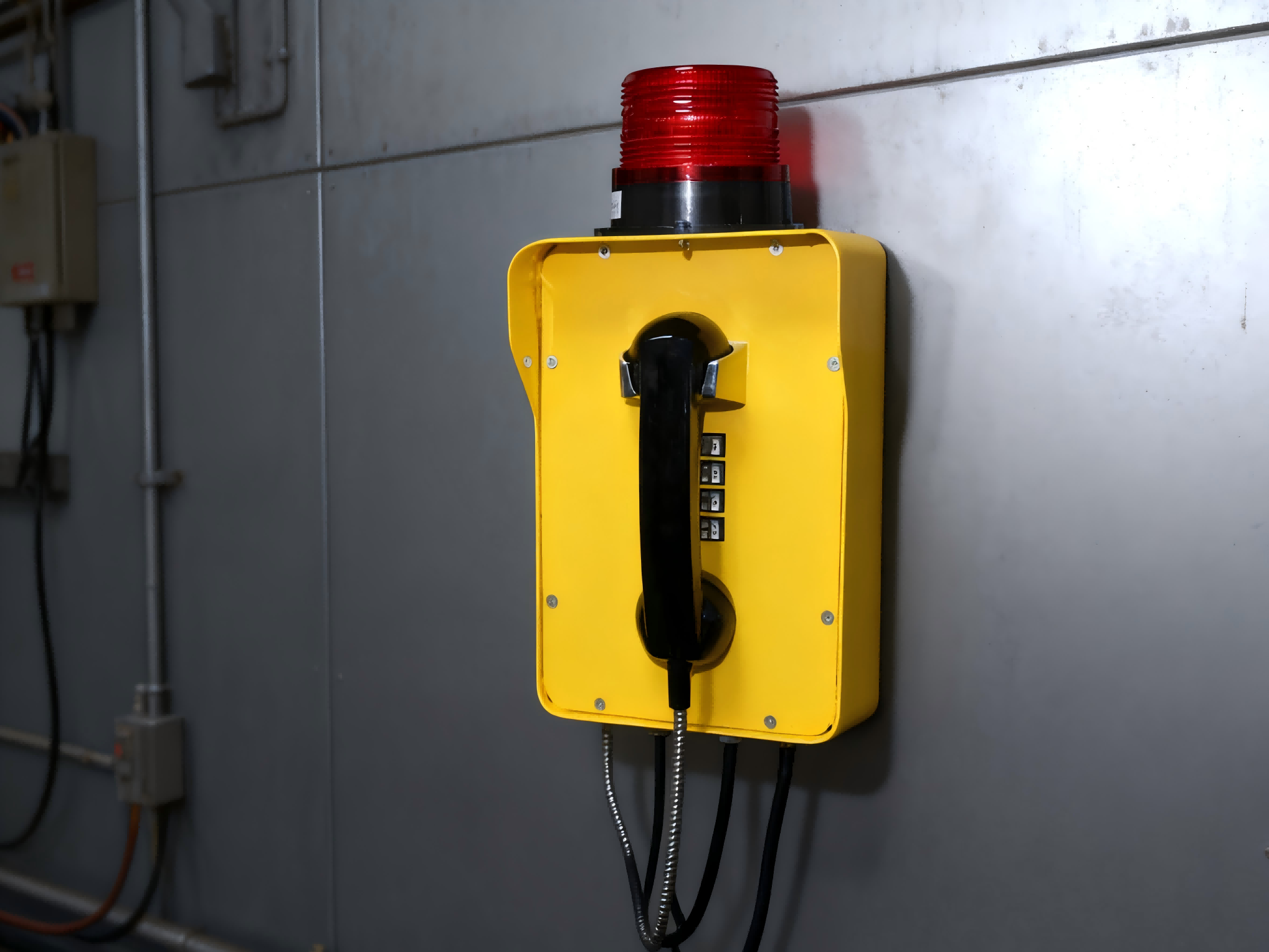
Modern Anti-Vandal Telephones achieve a crucial balance. They seamlessly integrate robust physical protection with inclusive design features. This ensures reliable communication for all users, even in the most challenging environments. An Anti-Vandal Telephone provides a vital communication link, making sure everyone has access when it matters most.
Key Takeaways
- Anti-vandal telephones are very strong. They use tough materials and special parts. This helps them work well in hard places.
- These phones help everyone. They have features like Braille and big buttons. This makes them easy for people with different needs to use.
- Strong security and easy access work together. This means the phones always work. They provide important communication for everyone.
The Indispensable Role of Anti-Vandal Telephones
Defining Durability: What Makes an Anti-Vandal Telephone Resilient?
An Anti-Vandal Telephone is much more than a regular phone. It is a communication device built to endure the toughest conditions. What makes it so resilient? First, consider its outer shell. Manufacturers construct these phones from incredibly strong materials. They often use heavy-gauge stainless steel or robust, impact-resistant polycarbonate. These materials do not just look tough; they actively resist impacts, deep scratches, and even deliberate attempts to break them. The buttons and cords also receive special attention. They are often reinforced or made from metal to prevent cutting or pulling. Furthermore, engineers seal the internal components. This protects them from dust, dirt, moisture, and extreme temperatures. This careful design ensures the phone keeps working, even after facing abuse. It is like a fortress for communication, always standing strong.
Why Reliable Communication is Paramount in Vulnerable Settings
In many public and vulnerable settings, a working phone is not just a convenience; it is absolutely essential. Think about places like subway platforms, parking garages, schools, or even remote industrial sites. People in these environments need to make calls for emergencies, report suspicious activity, or simply get help. If a standard phone breaks easily due to vandalism or harsh weather, it leaves people without a vital communication link. This is where the incredible resilience of an Anti-Vandal Telephone becomes so important. It provides a constant, dependable way to communicate, no matter the challenges of the environment. This unwavering reliability can literally save lives, prevent crimes, or stop minor issues from becoming major problems. It offers everyone peace of mind, knowing help is always just a call away.
Engineering Security: Innovations in Anti-Vandal Telephone Design
Modern technology makes these specialized phones incredibly tough. Engineers design them to withstand harsh treatment and keep working. This section explores the clever ways they build security into every part of an Anti-Vandal Telephone.
Robust Materials and Construction for Anti-Vandal Telephones
The first line of defense for these phones is their physical makeup. Manufacturers choose materials for extreme durability. They often use heavy-gauge stainless steel, a metal known for its strength and resistance to corrosion. Sometimes, they opt for high-impact polycarbonate, a plastic so tough it can resist powerful blows without cracking. You see these materials in the phone’s casing, buttons, and even the handset.
💡 Tip: These materials do more than just look strong. They actively resist scratches, dents, and even attempts to pry them open.
Construction methods also play a big role. Workers often weld seams to create a solid, unyielding structure. They seal all openings to prevent dust, dirt, and moisture from getting inside. This careful construction ensures the phone remains operational in all kinds of weather and environments. It’s like building a small, impenetrable fortress for communication.
Tamper-Proof Components in Anti-Vandal Telephones
Beyond the outer shell, individual components also feature special security measures. Think about the buttons. They are not flimsy plastic. Instead, they often use metal, flush-mounted into the panel. This design makes them very hard to pry off or damage. The handset and its cord also get special treatment. Manufacturers often use steel-armored cords, making them resistant to cutting or pulling. They also anchor the cord internally, so someone cannot easily yank it out.
- Security Screws: You won’t find standard Phillips head screws here. These phones use special security screws, like Torx or snake-eye types. Only specific tools can open them.
- Hidden Fasteners: Many parts use hidden fasteners. This prevents unauthorized access to the phone’s internal workings.
These features deter vandalism and theft. They make it incredibly difficult for anyone to disable the phone or steal its parts.
Beyond Physical: Network Security for Anti-Vandal Telephones
Security for these phones goes beyond just physical toughness. In today’s connected world, many Anti-Vandal Telephones use Voice over IP (VoIP) technology. This means they connect to a network, just like a computer. This connection brings new security challenges.
Manufacturers address these challenges with digital safeguards:
- Encryption: They encrypt calls. This scrambles the conversation, making it unreadable to anyone trying to listen in. It protects privacy.
- Authentication: The phone uses authentication protocols. This ensures only authorized devices can connect to the network. It prevents imposters from gaining access.
- Firewalls and VPNs: Network administrators often use firewalls and Virtual Private Networks (VPNs). These tools create a secure tunnel for the phone’s communication. They protect the data from external threats.
- Firmware Updates: Regular firmware updates are crucial. These updates patch any newly discovered vulnerabilities. They keep the phone’s software secure against evolving cyber threats.
So, while the phone looks tough on the outside, it also has strong digital defenses. This combination of physical and network security makes it a truly resilient communication device.
Designing for All: Accessibility Features in Modern Anti-Vandal Telephones
Modern Anti-Vandal Telephones do more than just resist damage. They also make sure everyone can use them. Designers build these phones with features that help people with different needs. This means people with hearing, vision, or mobility challenges can still communicate easily.
Meeting Accessibility Standards with Anti-Vandal Telephones
Governments and organizations set rules for accessibility. These rules ensure public spaces and equipment are usable by everyone. For example, the Americans with Disabilities Act (ADA) in the U.S. gives guidelines. Many countries have similar standards, like EN 301 549 in Europe. These standards cover things like button size, sound levels, and how high to place a phone. Manufacturers design modern Anti-Vandal Telephones to meet these strict rules. This ensures they are truly inclusive. When a phone meets these standards, it means more people can use it without problems.
Auditory Enhancements for Accessible Anti-Vandal Telephones
People with hearing difficulties need special features. Modern phones include several auditory enhancements.
- Hearing Aid Compatibility (HAC): Many phones have a special coil inside. This coil works with hearing aids. It sends sound directly to the hearing aid, reducing background noise. This makes conversations much clearer.
- Adjustable Volume: Users can easily turn the volume up or down. This helps people hear better, whether they have mild hearing loss or just need a louder sound in a noisy place.
- Clear Sound Quality: Engineers design the speakers and microphones for very clear sound. This reduces distortion and makes voices easier to understand.
These features ensure that hearing impairments do not stop someone from making an important call.
Visual and Tactile Aids in Anti-Vandal Telephone Design
People with visual impairments also benefit from thoughtful design.
- Braille Keypads: Many phones have Braille labels next to the numbers. This allows blind users to dial numbers correctly.
- Raised Buttons: The buttons often stick out slightly. This makes them easy to feel and press. They also have clear spacing between them.
- High-Contrast Colors: The numbers and symbols on the keypad often use colors that stand out sharply against the background. This helps people with low vision see them better.
- Tactile Indicators: Some phones have a small raised dot on the “5” button. This helps users find their place on the keypad without looking.
These aids help visually impaired individuals use the phone independently and confidently.
Ergonomic Considerations for Physical Accessibility
Physical accessibility means making the phone easy to reach and operate for everyone.
- Mounting Height: Installers place phones at specific heights. This allows people in wheelchairs or children to reach them comfortably.
- Large Buttons: The buttons are often larger than on a regular phone. This makes them easier to press for people with limited dexterity.
- Easy-to-Grip Handsets: Handsets have a shape that is easy to hold. They are not too heavy.
- Hands-Free Options: Some models offer a speakerphone function. This allows users to talk without holding the handset. This is very helpful for people who cannot easily lift or hold a receiver.
These ergonomic designs ensure that physical limitations do not prevent anyone from using the phone when they need it most.
The Symbiotic Relationship: How Security Boosts Accessibility
Security and accessibility might seem like separate goals. However, for modern Anti-Vandal Telephones, they work together. One actually helps the other. When a phone is secure and tough, it becomes more accessible to everyone.
Uninterrupted Access Through Anti-Vandal Durability
A phone that always works is an accessible phone. Vandalism or harsh weather can quickly disable a standard public telephone. This leaves people without a way to communicate. An Anti-Vandal Telephone, built with strong materials and tamper-proof parts, resists these threats. It stays operational. This constant availability means anyone, including those with disabilities, can rely on it. They do not need to search for a working alternative. Its durability ensures a continuous communication lifeline for all users.
Intuitive Design: A Benefit of Secure Anti-Vandal Telephones
Security features often lead to simpler, more intuitive designs. For example, robust, flush-mounted buttons are hard to damage. They also offer a clear, tactile response. This makes them easier for people with visual impairments or limited dexterity to use. A straightforward, uncluttered interface, designed for resilience, also reduces confusion. Users can quickly understand how to operate the phone. This directness benefits everyone, especially those who might find complex interfaces challenging.
Maintaining Essential Communication Lifelines for Everyone
The combination of security and accessibility ensures vital communication for all. These phones are not just tough; they are also designed for diverse needs. They provide a reliable link in emergencies or for everyday calls. This is crucial in public spaces where people depend on accessible communication. By protecting the phone from damage, manufacturers protect its ability to serve everyone. This creates inclusive and safe environments, giving peace of mind to the entire community.
Selecting and Implementing the Right Anti-Vandal Telephone
Choosing the correct anti-vandal telephone requires careful thought. You want a phone that meets your specific needs. This section helps you make smart choices.
Matching Anti-Vandal Telephones to Environmental Demands
Different places need different phones. Consider the environment first. Is the phone going indoors or outdoors? Outdoor phones need higher IP ratings. This means they resist water and dust better. Think about temperature extremes. Some phones handle very hot or very cold weather. Also, consider how much traffic the area gets. A busy subway station needs a tougher phone than a quiet office hallway. Does the phone face potential chemical exposure or saltwater? Manufacturers offer specialized coatings for these conditions. Always match the phone’s features to its intended location.
Verifying Compliance and Certifications for Anti-Vandal Telephones
You must ensure the phone meets important standards. Look for certifications. For example, in the U.S., ADA compliance is crucial for accessibility. This means the phone has features for people with disabilities. Check for Hearing Aid Compatibility (HAC) if hearing-impaired users will use it. Other certifications might include specific IP ratings for environmental protection. These ratings tell you how well the phone resists dust and water. Always ask the manufacturer for proof of these certifications. They show the phone meets quality and safety benchmarks.
Best Practices for Anti-Vandal Telephone Installation
Proper installation makes a big difference. First, mount the phone securely. Use the correct hardware for the wall material. This prevents someone from easily removing it. Second, protect the wiring. Run cables through conduits or inside walls. This stops tampering. Third, place the phone at an accessible height. Follow ADA guidelines for mounting height. Finally, test the phone thoroughly after installation. Make sure it connects to the network and makes calls clearly. Regular checks ensure it stays operational and secure for everyone.
Modern anti-vandal telephones successfully combine strong security with many accessibility features. They ensure reliable communication for everyone, everywhere. This creates inclusive and safe environments. These devices are critical for maintaining essential lifelines in public and challenging spaces.
FAQ
What makes anti-vandal telephones so tough?
Manufacturers build them with strong materials like stainless steel. They also use tamper-proof parts. This design helps them resist damage and keep working in harsh places. 🛡️
How do these phones help people with disabilities?
They include features like Braille keypads and hearing aid compatibility. They also have large, easy-to-press buttons. This makes them accessible for everyone.
Where do people usually install anti-vandal telephones?
You often find them in public places. These include subway stations, parking garages, and schools. They are also common in industrial sites where communication is vital.
 English
  Français
  Deutsch
  日本語
日本語  한국어
한국어