
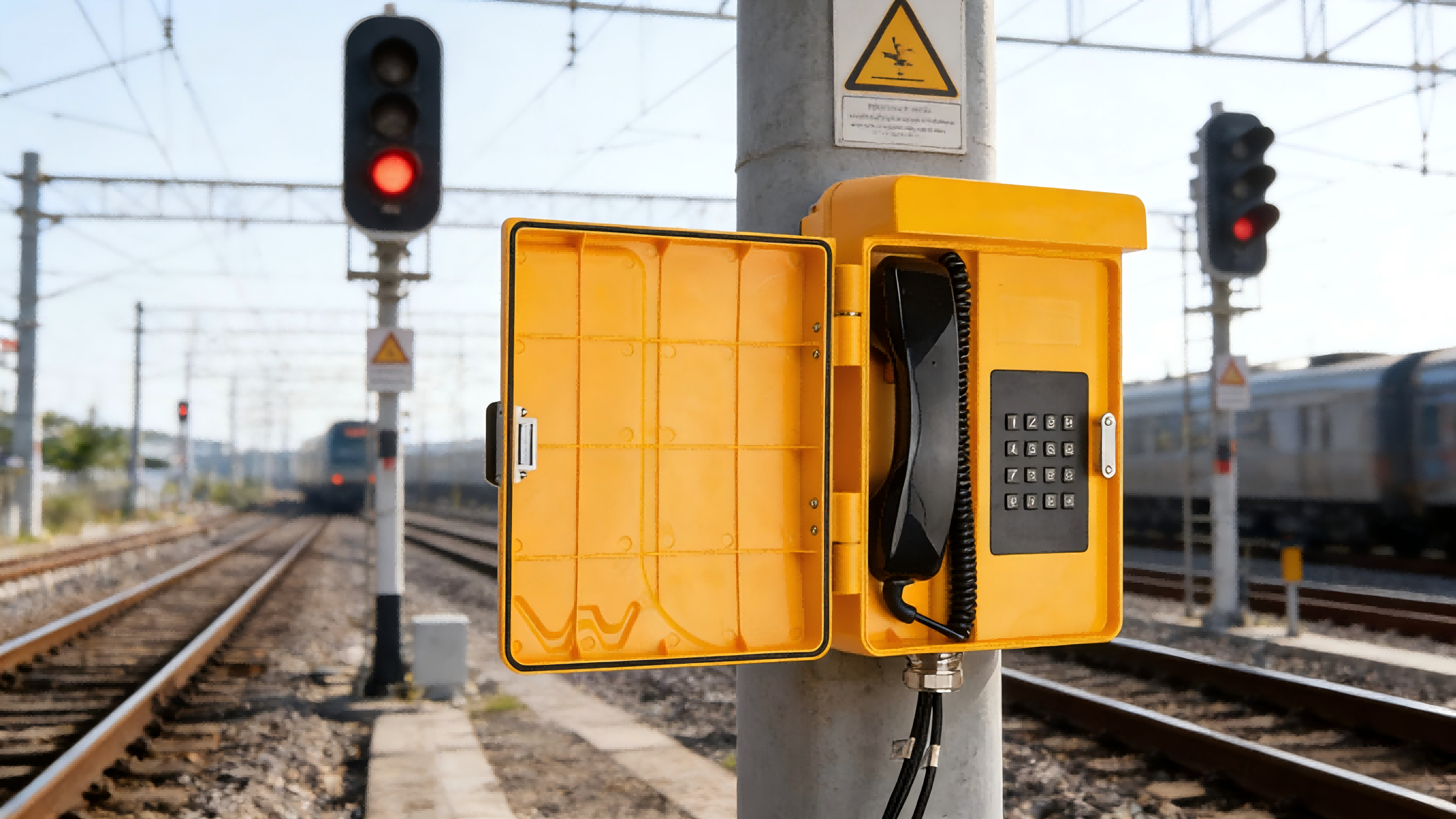
Railway telephones significantly enhance on-track safety and reduce response delays. They provide immediate, reliable, and dedicated communication channels. These channels are essential for coordinating operations, reporting hazards, and managing emergencies directly from the trackside. This direct communication is crucial for everyone working near the tracks.
Key Takeaways
- Railway telephones provide instant communication. This helps report dangers quickly.
- These telephones protect workers. They help set up safe work zones and coordinate train movements.
- Railway telephones speed up emergency responses. They allow fast reporting and help manage recovery efforts.
Immediate Communication with Railway Telephones for On-Track Safety
Railway operations demand instant and reliable communication. Delays in relaying critical information can have severe consequences. Railway telephones provide a dedicated communication backbone, ensuring that vital messages reach the right people without interruption. This immediate connection significantly boosts safety for everyone on or near the tracks.
Direct Line to Control Centers and Emergency Services
A railway telephone offers a direct, dedicated link to control centers and emergency services. This direct connection is crucial for reporting incidents quickly. Imagine a worker discovers a broken rail. They can immediately pick up a railway telephone and speak directly to the control center. This eliminates the need to dial numbers or worry about mobile phone signal strength, which often proves unreliable in remote or underground railway sections. Control centers then receive real-time information. They can quickly assess the situation and dispatch the necessary help, whether it is medical assistance, technical support, or security personnel. This dedicated line ensures that critical information never gets lost or delayed, making response times much faster.
Tip: Dedicated communication lines, like those provided by railway telephones, offer a level of reliability and security that general public networks cannot match in critical infrastructure environments.
Real-time Hazard Reporting and Warning Dissemination
Railway telephones are essential tools for reporting hazards in real-time. Workers on the track might spot an obstruction, such as a fallen tree or debris. They can use a railway telephone to report this danger instantly. This immediate report allows the control center to issue warnings to approaching trains without delay. For example, if a train is minutes away from a reported obstruction, the control center can instruct the driver to slow down or stop. This rapid dissemination of warnings prevents potential collisions and derailments. It also helps manage unexpected events like track defects or unusual conditions, such as smoke near the tracks. Quick communication ensures that everyone involved receives timely updates, allowing them to take necessary precautions and avoid dangerous situations.
Railway Telephones for Enhancing Worker Protection and Operational Coordination
Railway operations involve many people working near active tracks. Protecting these workers is a top priority. Railway telephones play a vital role in keeping them safe. They also help coordinate complex movements and access to tracks. This direct communication prevents misunderstandings and accidents.
Facilitating Safe Work Zone Establishment and Clearance
Workers often need to access tracks for maintenance or repairs. Before they start, they must establish a safe work zone. This means ensuring no trains will enter their section of track. Workers use railway telephones to communicate directly with the control center. They tell the control center exactly where they will work and for how long. The control center then blocks that track section. This prevents trains from approaching the work area.
When the work finishes, the team leader uses the telephone again. They confirm the track is clear and safe for trains to pass. This clear communication prevents trains from entering an active work zone. It also ensures tracks reopen quickly once work finishes. This process relies heavily on reliable, instant communication. It protects workers and keeps the railway running smoothly.
Coordinating Train Movements and Track Access
Coordinating train movements is a complex task. Many trains share the same tracks. Sometimes, trains need to change tracks or wait for others. Railway telephones help drivers and control centers coordinate these movements. For example, a train driver might need special permission to enter a sidings track. They use the telephone to speak directly with the signal operator. The operator gives them clear instructions.
This direct line of communication is also crucial during unexpected events. A train might break down, blocking a track. The driver uses the telephone to report the issue. Control centers then reroute other trains or hold them back. This prevents further delays and ensures safety. It helps manage track access efficiently. This coordination keeps trains moving safely and on schedule.
Reducing Response Delays with Railway Telephones in Critical Situations
When emergencies strike on the railway, every second counts. Quick communication can mean the difference between a minor incident and a major disaster. Railway telephones play a crucial role in cutting down response times. They ensure that help arrives fast and that everyone involved stays informed. This speed and reliability are vital for managing any crisis effectively.
Rapid Incident Reporting and Emergency Call-Outs
Imagine an unexpected event, like a train derailment or a medical emergency involving a worker. In these critical moments, immediate reporting is essential. Workers on the track can quickly reach a nearby railway telephone. They use it to report the incident directly to the control center. This direct line bypasses potential issues with mobile phone signals, which often fail in remote or underground areas. The control center receives precise details about the emergency without delay. 🚨
This rapid reporting triggers an immediate emergency call-out. Control center staff can dispatch emergency services—police, fire, or medical teams—to the exact location. They provide all necessary information for a swift response. This direct communication ensures that first responders know what to expect before they even arrive. It helps them prepare and act more effectively. A railway telephone acts as a lifeline, connecting those on the ground directly to the help they need, reducing precious minutes in an emergency.
Streamlining Communication During Recovery Operations
After an incident, recovery operations can be complex and challenging. They often involve multiple teams working together. These teams include engineers, safety personnel, and operations staff. They must coordinate their actions precisely to clear the tracks and restore service. Railway telephones are indispensable during these efforts.
Teams use these dedicated communication lines to share updates, request equipment, and coordinate movements. For example, an engineering team might need to move heavy machinery onto the track. They communicate with the control center and other teams to ensure the area is clear and safe. This constant, reliable communication prevents misunderstandings. It also helps avoid further accidents during the recovery process. Clear communication streamlines the entire operation. It allows teams to work efficiently and safely, bringing the railway back to normal as quickly as possible. This direct link helps everyone stay on the same page, even in chaotic situations.
A Railway Telephone is an indispensable tool. It significantly enhances on-track safety and reduces response delays. It provides reliable, immediate, and dedicated communication. This tool facilitates rapid hazard reporting. It also coordinates operations and streamlines emergency responses. These features make it a cornerstone of railway safety and efficiency. It directly helps prevent accidents and minimizes service disruptions.
FAQ
Why are railway telephones better than mobile phones for railway safety?
Railway telephones offer dedicated, reliable connections. They work even in remote areas where mobile signals fail. This ensures critical communication always gets through. 📞
Who primarily uses railway telephones on the tracks?
Railway workers, train drivers, and control center staff use them. They coordinate operations, report hazards, and manage emergencies. This keeps everyone safe.
How do railway telephones help during an emergency?
They provide instant, direct communication to control centers and emergency services. This rapid reporting reduces response times. It helps get help quickly to the scene. 🚨