
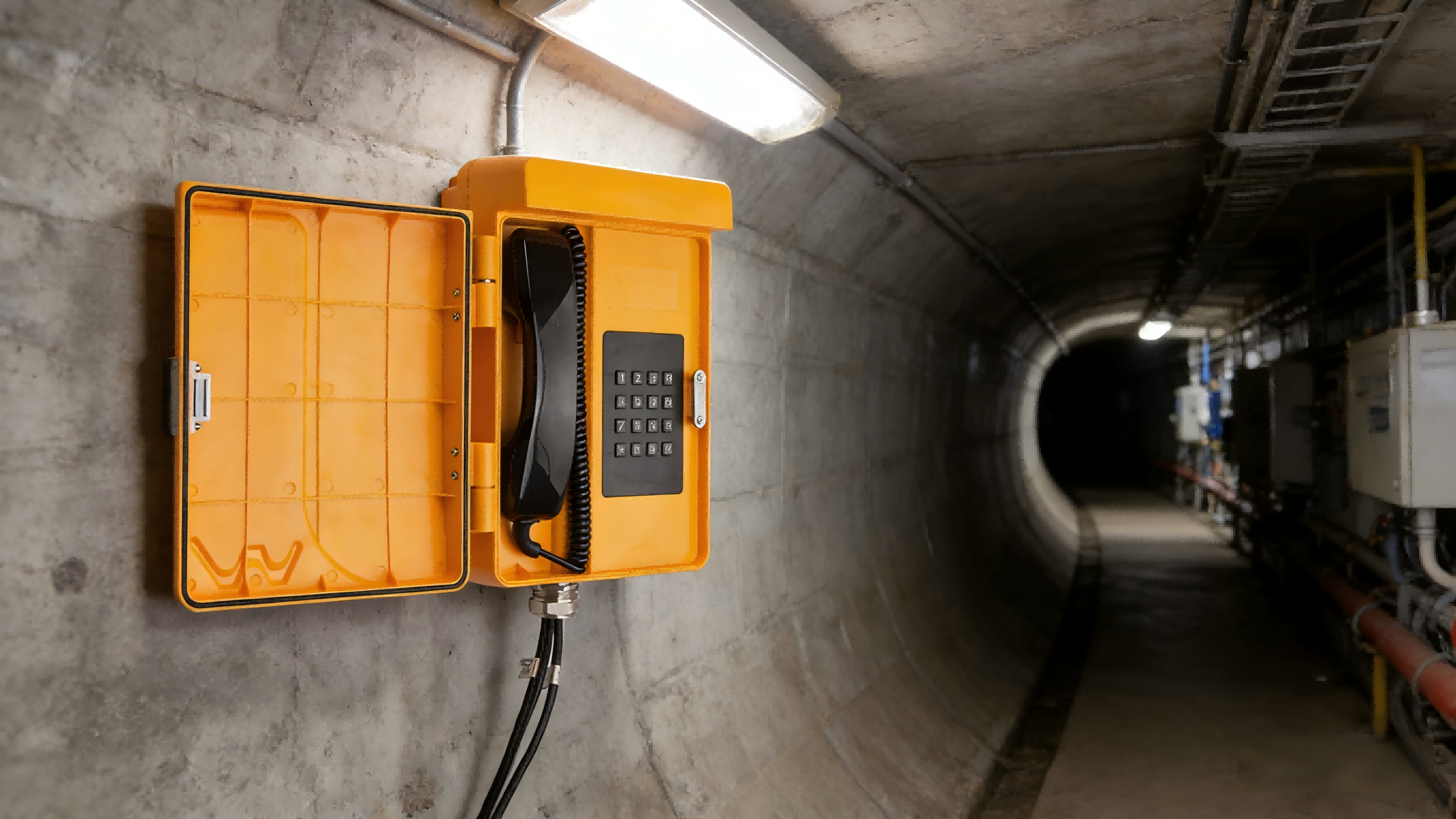
Tunnel telephones are vital for underground emergencies. They offer immediate, reliable communication where other systems often fail. This dedicated channel significantly reduces emergency response time in underground infrastructure. Think about how quickly help can arrive. It’s a game-changer for safety and efficiency when every second counts.
Key Takeaways
- Tunnel telephones provide reliable communication underground. They work when cell phones do not. This helps people call for help quickly.
- These phones connect directly to emergency services. They help responders know the exact location of a problem. This speeds up rescue efforts.
- Tunnel telephones are very strong and work even without power. They help guide people to safety during emergencies. This makes underground spaces safer.
Why Tunnel Telephones Are Essential for Immediate Communication Underground
Underground environments pose unique communication challenges. Regular cell phones often lose signal. This makes getting help quickly very difficult. Tunnel telephones solve these problems. They provide a lifeline when other systems fail.
Overcoming Communication Blackouts
Imagine being deep inside a tunnel. Your cell phone shows “no service.” This happens often in underground spaces like subways, mines, or utility tunnels. Concrete, rock, and earth block radio signals. This creates communication blackouts. During an emergency, these blackouts are dangerous. They prevent people from calling for help. They also stop emergency responders from getting vital information. A Tunnel Telephone system uses dedicated wiring. This wiring is not affected by signal blockers. It ensures a clear connection, even in the deepest parts of underground infrastructure. This means someone can always reach out when they need to.
Direct Connection to Emergency Services
When an incident occurs, every second counts. Traditional phone calls might involve dialing 911, waiting for an operator, and then explaining the location. This takes time. Tunnel telephones offer a more direct path. Many systems connect directly to a control center or emergency dispatch. A person just picks up the receiver and presses a button. This immediately alerts trained personnel. They know the exact location of the phone. This direct link cuts out several steps. It speeds up the initial alert process significantly. This quick alert allows emergency teams to mobilize faster.
Prioritized Access During Crises
During a major crisis, public communication networks can become overloaded. Everyone tries to call at once. This jams the lines. Important calls might not go through. Tunnel telephone systems operate on their own dedicated network. They do not rely on public cellular or landline infrastructure. This means their lines remain clear and operational, even when other systems fail. Emergency calls from these phones always get priority. They ensure that critical information flows without interruption. This reliable access is crucial for coordinating rescue efforts and managing the situation effectively.
Robust Design and Enhanced Situational Awareness with Tunnel Telephones
Emergency situations demand equipment that works every time. Underground environments are tough places. They test the limits of any device. Tunnel telephones are built to handle these challenges. Their design helps emergency teams know what is happening. This improves how they respond.
Durability in Harsh Environments
Underground tunnels are not gentle places. They can be wet, dusty, and have big temperature changes. Sometimes, there are vibrations from trains or machinery. Regular phones would break quickly. Tunnel telephones are different. Manufacturers build them with strong materials. They often have heavy-duty casings. These casings protect the internal parts from water, dust, and impacts. They can work in very hot or very cold conditions. This robust design means the phones stay operational. They provide a reliable communication point when people need it most. This durability ensures the system is always ready for an emergency.
Uninterrupted Operation During Power Outages
Power outages are a real threat in underground infrastructure. When the main power goes out, many systems stop working. This can make a bad situation much worse. However, tunnel telephones often have their own power sources. They might use backup batteries or connect to a separate, reliable power grid. This independent power supply means they keep working even when the lights go out. This feature is critical. It ensures that communication lines remain open during blackouts. Emergency responders can still talk to people in the tunnel. They can also coordinate their efforts without interruption. This continuous operation is a key safety advantage.
Clear Voice for Accurate Information Exchange
In an emergency, clear communication is vital. Misunderstandings can lead to serious problems. Underground tunnels are often noisy places. There can be echoes or sounds from machinery. A standard phone call might be hard to hear. Tunnel telephone systems use special technology. They have noise-canceling microphones. They also have powerful speakers. These features ensure that voices come through clearly. People can understand each other, even in loud environments. This clear voice transmission helps everyone. It allows for accurate information exchange. Responders get precise details about the incident. People in danger can clearly explain their situation. This clarity helps teams make better decisions. It also speeds up the rescue process.
Tunnel Telephones for Coordinated Emergency Response and Safety
Emergency situations demand quick, organized action. Tunnel telephones play a crucial role in making sure everyone works together effectively. They help emergency teams respond faster and guide people to safety.
Pinpointing Incident Locations Quickly
Tunnel telephones are fixed at specific points throughout underground infrastructure. This feature helps emergency services know the exact location of a call. They do not need to ask for directions. This saves precious time during an emergency. Knowing the precise spot means responders can go straight to the incident. This significantly reduces search time. It allows for a faster initial response. Imagine how much quicker help arrives when they know exactly where to go!
Real-Time Coordination Between Teams
These systems allow different emergency teams to talk to each other instantly. Firefighters, police, and medical personnel can coordinate their actions. They share updates in real-time. This ensures everyone works together smoothly. Effective communication prevents confusion. It makes rescue efforts more efficient. Teams can make quick decisions based on current information. This seamless communication is vital for a successful outcome.
Guiding Public to Safety with Integrated Systems
Many tunnel telephone systems connect to public address (PA) systems. This means emergency personnel can speak directly to people in the tunnel. They can give clear instructions for evacuation. They can guide people to safety exits. This integration helps manage crowds. It ensures everyone gets out safely and quickly. A Tunnel Telephone system becomes a central hub for safety. It helps direct people away from danger and towards secure areas.
Tunnel telephones are indispensable tools for underground infrastructure. They significantly reduce emergency response times. These systems offer unmatched reliability, immediate connectivity, and a robust design. They greatly enhance safety and operational efficiency during critical incidents.
FAQ
How do tunnel telephones work when cell phones do not?
Tunnel telephones use dedicated wiring. This wiring is not affected by signal blockers. It ensures a clear connection. Cell phones rely on public signals. These signals often fail underground.
Do tunnel telephones still work if the power goes out?
Yes, they do. Tunnel telephones often have backup batteries. They can also connect to a separate power grid. This ensures continuous operation. Communication lines stay open during blackouts.
Can tunnel telephones help guide people during an emergency?
Absolutely. Many systems connect to public address systems. Emergency personnel can speak directly to people. They give clear evacuation instructions. This helps guide everyone to safety. 🗣️