
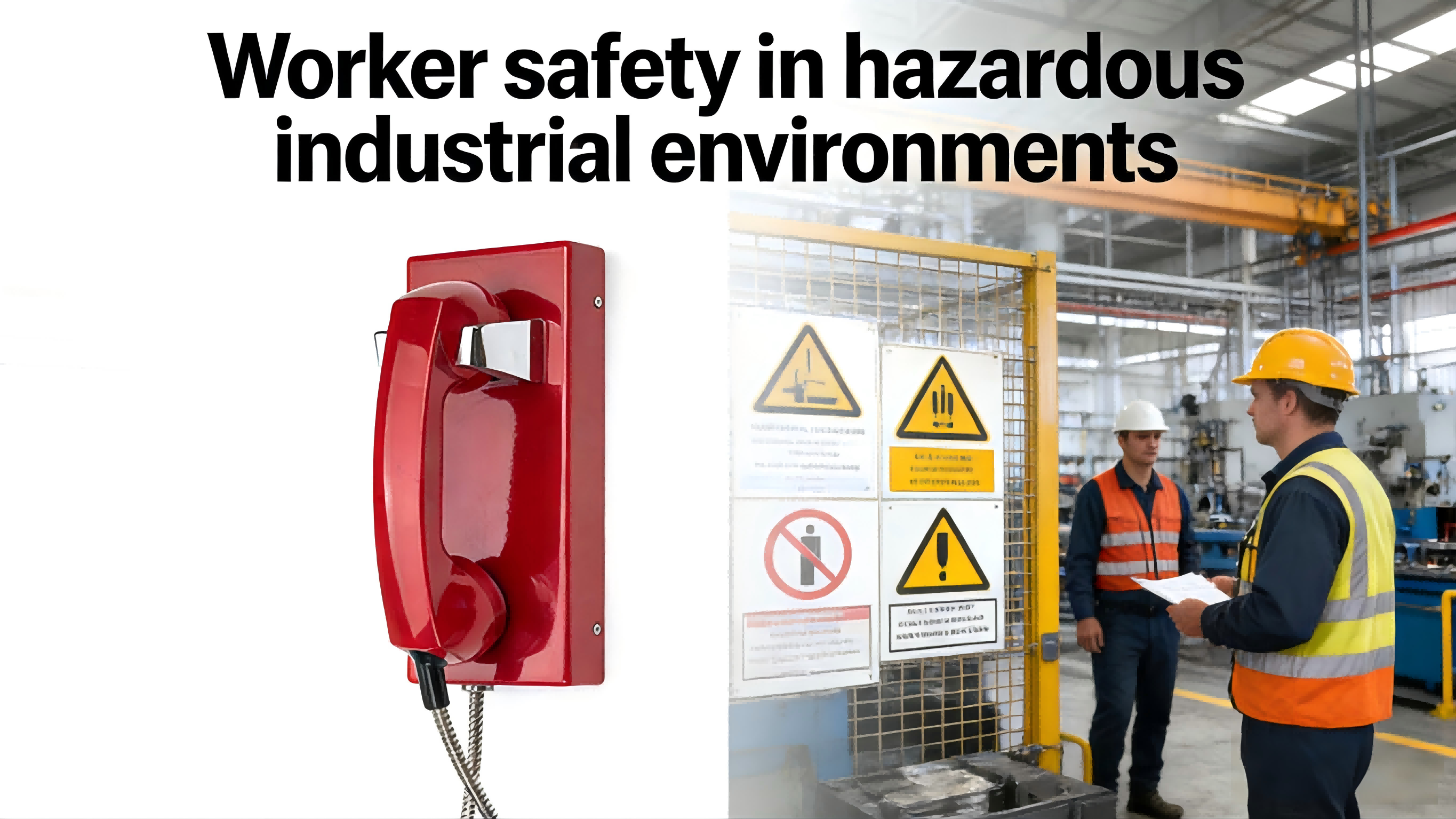
Worker safety in hazardous industrial environments absolutely depends on immediate, reliable communication. When emergencies strike, communication failures can lead to severe consequences for everyone involved. Therefore, a robust emergency communication system, featuring a reliable Emergency Telephone, plays an indispensable role in mitigating these critical risks.
Key Takeaways
- Plan your emergency phone system carefully. Understand site dangers and worker needs. This makes sure your system works well.
- Choose strong technology for your emergency phone system. It must handle harsh industrial conditions. This ensures clear communication.
- Keep your emergency phone system working well. Place phones correctly. Train workers to use them. Test and maintain the system often.
Establishing the Foundation for Your Emergency Telephone System
Building a strong emergency communication system starts with careful planning. You need to understand your environment and what your team needs to stay safe. This foundational work makes sure your system works when it matters most.
Assessing Specific Site Hazards and Communication Needs
First, look closely at your industrial site. What dangers exist there? Think about chemicals, heavy machinery, or confined spaces. These hazards directly affect how people communicate. For example, very noisy areas need louder signals or visual alerts. Workers wearing personal protective equipment (PPE) might need hands-free communication. Understanding these specific challenges helps you choose the right Emergency Telephone system. It ensures the system can overcome environmental obstacles.
Defining Clear Emergency Communication Objectives and Protocols
Next, clearly define what your emergency communication system must achieve. What information needs to go out? Who needs to receive it? How quickly must they get it? Establish clear steps for every type of emergency. For instance, a fire alarm might trigger an immediate broadcast to all personnel. A medical emergency might require direct contact with a specific response team. Clear protocols ensure everyone knows their role and what to do.
Integrating the Emergency Telephone System with Existing Response Plans
Finally, your new Emergency Telephone system must fit seamlessly into your current emergency response plans. It should not be a standalone tool. Instead, it should enhance existing evacuation routes, first aid procedures, and incident command structures. Conduct drills that include using the new communication tools. This integration makes your overall safety plan stronger and more effective. It ensures a smooth, coordinated response during any crisis.
Selecting and Implementing Reliable Emergency Telephone Technology
Choosing the right technology forms the backbone of any effective emergency communication system. This step involves careful consideration of the harsh industrial environment and the specific needs of your workforce. A well-chosen system ensures clear, dependable communication when it matters most.
Evaluating System Durability and Environmental Ratings for Hazardous Zones
Industrial environments present unique challenges for electronic equipment. Dust, moisture, extreme temperatures, corrosive chemicals, and vibrations can quickly degrade standard devices. Therefore, selecting an Emergency Telephone system built for resilience is crucial. Look for equipment with high Ingress Protection (IP) ratings. An IP66 or IP67 rating indicates strong protection against dust and water jets or temporary immersion.
Furthermore, hazardous industrial zones, like those with flammable gases or dust, require specialized equipment. These areas demand certifications such as ATEX or IECEx. These certifications confirm the equipment is safe for use in potentially explosive atmospheres. Manufacturers often build these devices with robust materials like marine-grade aluminum or reinforced plastics. They design them to withstand impacts and resist corrosion. Always verify these ratings and certifications before making a purchase.
Exploring Advanced Communication Technologies and Features
Modern emergency communication systems offer more than just basic voice calls. They integrate various technologies to enhance safety. Consider Voice over IP (VoIP) systems. They offer flexibility and integration with other network systems. Analog systems, while older, provide simplicity and often work well in very basic setups. Wireless options can provide mobility, but they require careful planning for signal strength and interference in industrial settings.
Look for features that directly address your site’s challenges. Noise-canceling microphones ensure clear communication in loud areas. Hands-free operation allows workers to keep their focus on the task or emergency. Group calling capabilities enable instant communication with multiple teams or individuals. Public address system integration allows for site-wide announcements. Some systems also include visual alerts, like flashing lights, which are vital in noisy environments or for workers with hearing impairments.
Ensuring Power Redundancy and Backup Solutions for Emergency Telephones
A communication system is only reliable if it has continuous power. Power outages, even brief ones, can cripple an emergency response. Therefore, building power redundancy into your system is non-negotiable. Uninterruptible Power Supplies (UPS) provide immediate backup power. They allow the system to continue operating during short power interruptions. Long-term solutions include battery banks or even solar power for remote locations.
Consider redundant network paths for your communication lines. If one cable or connection fails, another path automatically takes over. This prevents single points of failure. Regularly test all backup power sources and redundant systems. This ensures they function correctly when an actual emergency occurs. A well-planned power strategy guarantees your Emergency Telephone system remains operational, providing a lifeline during critical moments.
Maintaining and Optimizing Your Emergency Telephone System
Building a robust emergency communication system is only the first step. To ensure it remains a reliable lifeline, you must actively maintain and optimize it. This ongoing effort guarantees your system performs flawlessly when an emergency strikes.
Strategic Placement and Installation of Emergency Telephones
The physical location of your emergency communication devices significantly impacts their effectiveness. You must place them where workers can easily see and access them. Think about high-traffic areas, critical control points, and zones with elevated risks. For example, position an Emergency Telephone near hazardous machinery, chemical storage, or confined spaces. Also, consider escape routes and assembly points. Workers must easily find these communication points during a crisis.
Install these devices at a height accessible to all personnel, including those with disabilities. Ensure clear signage points to their location. The signs should be visible even in low light or smoky conditions. You should also protect the devices from physical damage or tampering. This might involve using protective enclosures or mounting them securely to walls or pillars.
Developing Comprehensive Training Programs for System Use
Even the most advanced system fails if people do not know how to use it. Therefore, you must develop and implement comprehensive training programs for all employees. This training should cover more than just pressing a button. It needs to teach workers:
- When to use the system: Explain different emergency scenarios and the appropriate communication response.
- How to use specific features: Show them how to make a call, activate a public address, or send an alert.
- What information to provide: Teach them to give clear, concise details about the emergency.
- Who to contact: Make sure they know the correct internal and external emergency numbers.
Conduct regular refresher training sessions. New employees also need immediate training. Incorporate system usage into your emergency drills. This hands-on practice builds confidence and ensures everyone can operate the system effectively under pressure.
Establishing Regular Testing and Maintenance Schedules for Reliability
A communication system is only reliable if it consistently works. You must establish a rigorous schedule for testing and maintenance. This proactive approach prevents failures and extends the system’s lifespan.
- Daily Checks: Briefly check for obvious damage or power indicators.
- Weekly Tests: Conduct functional tests. Make a test call from each Emergency Telephone. Check audio clarity, speaker volume, and microphone function. Verify any visual alerts or public address integrations.
- Monthly Inspections: Inspect all wiring, connections, and power sources. Check battery backups and UPS systems. Clean devices to prevent dust or grime buildup.
- Annual Overhauls: Perform a comprehensive system review. Update software, replace worn components, and recalibrate settings.
Document all tests and maintenance activities. This record helps track performance, identify recurring issues, and demonstrate compliance with safety regulations. Regular maintenance ensures your communication system remains a dependable asset, ready to protect your workforce.
Proactive safety planning through strong emergency communication is crucial. A well-implemented and maintained Emergency Telephone system offers long-term benefits for everyone. Prioritize worker safety and operational resilience with reliable communication infrastructure.
FAQ
What is the most important factor for an emergency phone system?
Reliability is paramount. The system must work every time, especially during a crisis. Regular testing and robust components ensure this.
How often should we test the emergency phone system?
Test the system regularly. Weekly functional checks and monthly inspections are good practices. Annual overhauls ensure long-term performance.
Can we use our existing phones for an emergency system?
Sometimes. Assess existing phones for durability and features. Integration with new emergency systems is often possible. However, specialized equipment offers better reliability.