
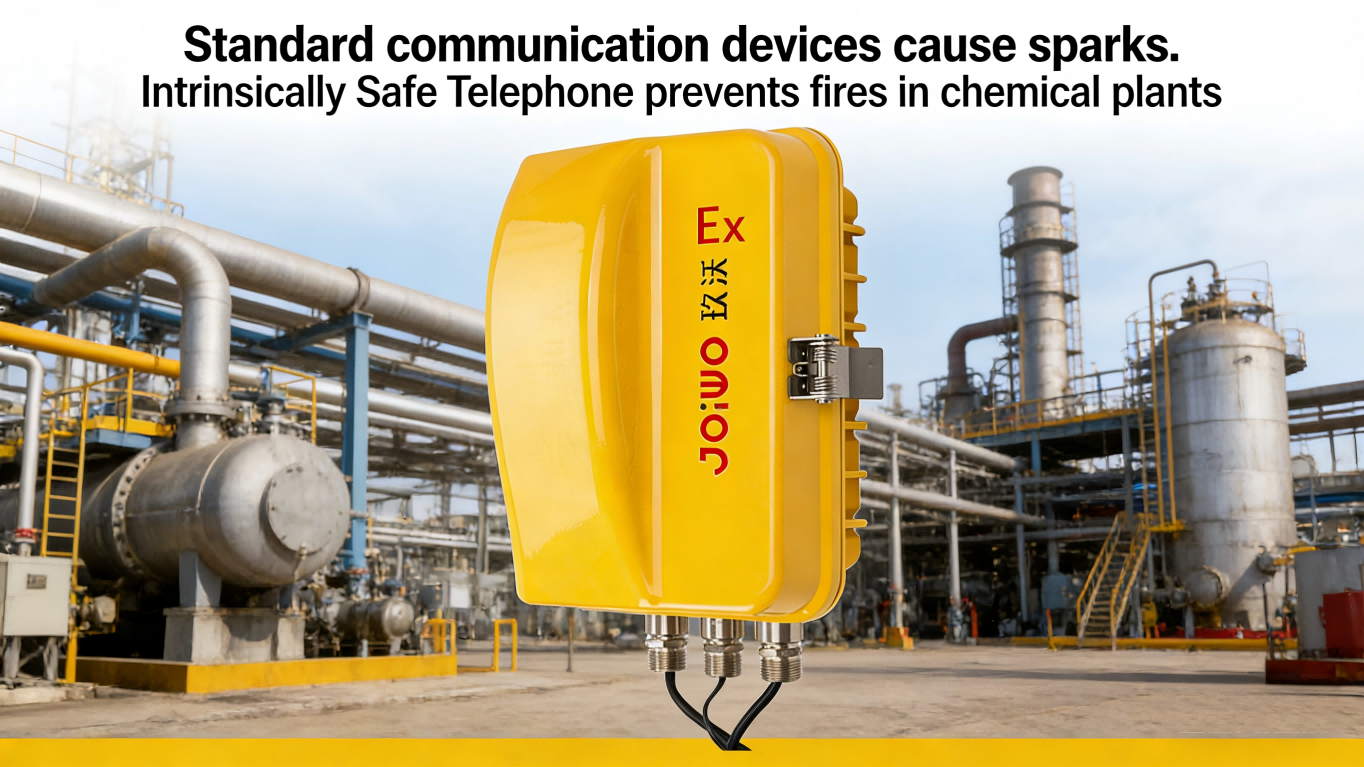
Standard communication devices can easily cause sparks in explosive atmospheres. These sparks ignite dangerous gases. Intrinsically safe equipment stops this from happening. An Intrinsically Safe Telephone is vital. It prevents fires and explosions in chemical plants. This keeps workers safe.
Key Takeaways
- Standard phones can cause dangerous sparks in chemical plants. These sparks can start fires or explosions. Intrinsically safe phones prevent this by limiting energy.
- Intrinsically safe phones work by keeping electrical energy very low. This stops them from creating sparks or getting too hot. They are tested and certified to be safe.
- Using intrinsically safe phones is a must for safety and legal reasons. It protects workers from harm. It also helps plants avoid big problems and save money.
The Ignition Risk: Why Standard Equipment Fails in Hazardous Zones
Defining Hazardous Atmospheres and the Ignition Triangle
Chemical plants often handle many dangerous substances. These substances can create hazardous atmospheres. What does that mean? It means the air contains flammable gases, vapors, mists, or even combustible dusts. Imagine a cloud of gasoline vapor or fine coal dust. These environments are extremely risky.
For an explosion or fire to happen, three things must be present. Experts call this the “Ignition Triangle.” You need:
- Fuel: This is the flammable gas, vapor, mist, or dust.
- Oxygen: Air provides this, and it is usually always around.
- An Ignition Source: This is something that provides enough energy to start the fire. Think of a spark, a hot surface, or even static electricity.
If you remove just one side of this triangle, an explosion cannot occur. Chemical plants work hard to control fuel and oxygen. But controlling ignition sources is also super important.
How Standard Communication Devices Become Ignition Sources
Now, think about your everyday cell phone or a regular two-way radio. These devices are not safe in hazardous zones. Why not? They can easily become that third side of the Ignition Triangle – the ignition source.
Here is how standard communication devices create danger:
- Electrical Sparks: Inside these devices, electrical currents flow. A loose wire, a faulty component, or even just turning the device on or off can create a tiny spark. In a normal environment, this spark is harmless. But in a hazardous atmosphere, it can ignite flammable gases instantly.
- Hot Surfaces: Batteries can overheat. Electronic components can get very hot during operation or if they malfunction. A hot surface, even if it does not spark, can reach temperatures high enough to ignite certain flammable materials.
- Battery Shorts: If a battery gets damaged, it can short-circuit. This creates a sudden surge of energy, often with sparks and heat. This is a major risk in explosive environments.
- Static Electricity: Simply rubbing a plastic case or even taking a device out of your pocket can generate static electricity. A static discharge, like a tiny lightning bolt, can also provide enough energy to ignite a flammable mixture.
So, a regular phone, designed for an office, becomes a ticking time bomb in a chemical plant’s hazardous area. This is why an Intrinsically Safe Telephone is not just a good idea; it is absolutely necessary. It prevents these common devices from turning into dangerous ignition sources.
The Core Principle of an Intrinsically Safe Telephone
Chemical plants need communication tools that do not cause explosions. This is where the special design of an Intrinsically Safe Telephone comes in. These devices work on a very clever and simple principle: they prevent ignition by controlling energy.
Limiting Energy to Prevent Sparks and Hot Surfaces
An intrinsically safe device works by limiting the electrical and thermal energy it can release. Think of it this way: for a spark or hot surface to ignite a flammable gas, it needs a certain amount of energy. Intrinsically safe equipment makes sure it never reaches that level.
Here is how they achieve this:
- Low Power Design: Engineers design these telephones to operate with very low power. They use special circuits that restrict the amount of electrical current and voltage. Even if a wire breaks or a component fails, the energy released remains too low to create a hot spark.
- Energy Barriers: They include components like resistors, Zener diodes, and fuses. These parts act like safety valves. They divert excess energy or quickly cut off power if it gets too high. This prevents dangerous energy levels from reaching the hazardous atmosphere.
- Encapsulation: Sometimes, they encapsulate sensitive components in a special resin. This prevents sparks from escaping into the surrounding air. It also protects the components from dust and moisture.
- Temperature Control: Intrinsically safe devices also manage heat. They design the components and enclosures so that no surface gets hot enough to ignite flammable materials. This is crucial because even a hot spot, without a spark, can be an ignition source.
💡 Tip: Imagine trying to light a campfire with a tiny, weak spark from a static shock. It just will not work. Intrinsically safe devices ensure any potential spark is just as weak, making ignition impossible.
Certification and Regulatory Standards for Intrinsically Safe Telephones
Designing a device to be intrinsically safe is one thing. Proving it is another. This is where strict certification and regulatory standards become vital. These standards ensure that an Intrinsically Safe Telephone truly meets the safety requirements for hazardous environments.
Independent third-party organizations test and certify these devices. They put the equipment through rigorous tests to confirm it limits energy correctly. They also check its ability to withstand environmental factors.
Some key certification bodies and standards include:
- ATEX (Europe): This directive sets essential health and safety requirements for equipment and protective systems intended for use in potentially explosive atmospheres.
- IECEx (International Electrotechnical Commission System for Certification to Standards Relating to Equipment for Use in Explosive Atmospheres): This is an international system. It facilitates trade in equipment and services for use in explosive atmospheres. It provides a globally recognized standard.
- UL (Underwriters Laboratories – North America): UL develops standards and tests products for safety. They certify equipment for use in hazardous locations in North America.
When a device carries one of these certifications, it means experts have verified its safety. It confirms the device will not become an ignition source in its specified hazardous zone. Chemical plants rely on these certifications. They ensure compliance with safety regulations and protect their workers.
Non-Negotiable Safety and Compliance with Intrinsically Safe Telephones
Legal Mandates and Industry Regulations
Chemical plants operate under very strict rules. Governments and industry groups create these rules. They demand specific safety measures for hazardous areas. For example, OSHA in the U.S. and ATEX in Europe have clear guidelines. These regulations make intrinsically safe equipment mandatory. Plants must follow these laws. They protect workers and the public. Ignoring these rules is simply not an option. Compliance ensures a safe working environment for everyone. It also helps companies avoid serious legal problems.
Catastrophic Consequences of Non-Compliance
Not following safety rules has terrible results. If a plant uses standard phones in a hazardous zone, an explosion can happen. This causes severe injuries or even death for workers. Fires can destroy expensive equipment and entire buildings. The company faces huge fines and legal action. They might even have to shut down the plant for a long time. This also damages their reputation forever. The human cost alone is immeasurable. Such incidents can lead to long-term operational disruptions and public distrust.
Economic Benefits of Proactive Safety Investments
Investing in safety equipment, like an Intrinsically Safe Telephone, makes good business sense. It prevents accidents. This saves money on medical bills, property damage, and legal fees. A safe workplace also means happier, more productive employees. The plant avoids costly shutdowns. Proactive safety ensures smooth operations and protects the company’s future. It also builds trust with employees and the community. Companies see a clear return on investment through reduced risks and improved efficiency. This approach safeguards both people and profits.
Intrinsically safe telephones are indispensable tools. They prevent explosions and ensure worker safety in chemical plants. Prioritizing specialized communication is paramount for these hazardous environments. Investing in intrinsically safe technology protects lives, valuable assets, and the plant’s operational integrity.
FAQ
What makes an intrinsically safe telephone different from a regular phone?
Intrinsically safe telephones limit electrical energy. This prevents sparks and hot surfaces. Regular phones do not have these safety features. They can ignite flammable materials.
Can plants use intrinsically safe telephones in any hazardous area?
No, they cannot. Each telephone has a specific certification. This certification matches it to certain hazardous zones. Plants must use the correct device for each area.
Who ensures these telephones are safe?
Independent organizations test and certify these devices. They follow strict international standards. This ensures the telephones meet all safety requirements.