
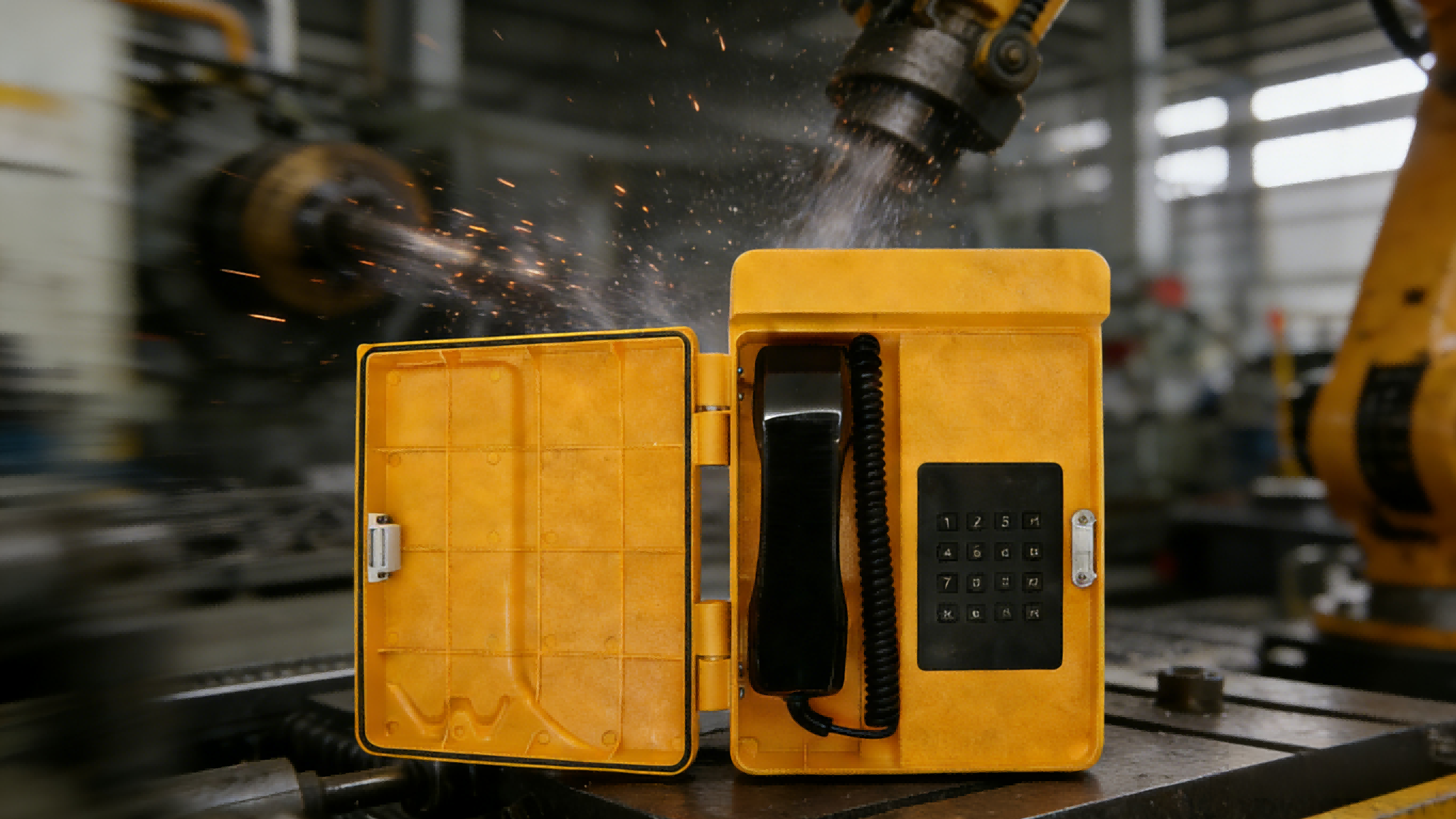
Heavy-duty telephones are not like regular phones. Engineers design them to survive extreme conditions. They ensure reliable communication where standard devices would fail. These specialized phones are crucial for keeping workers safe. They also boost how well high-vibration industrial manufacturing sites operate and produce. Investing in a Heavy-Duty Telephone directly solves the tough communication problems in harsh industrial places.
Key Takeaways
- Heavy-duty phones are strong. They work in tough factory places. Regular phones break easily there.
- These phones help keep workers safe. They let people talk fast in emergencies. This stops accidents.
- Heavy-duty phones make factories run better. They help workers talk clearly. This means less waiting and more work gets done.
Why Standard Communication Fails in High-Vibration Environments
Impact of Constant Vibration on Standard Electronics
Standard electronic devices, like typical office phones, simply cannot withstand the relentless shaking common in industrial settings. Constant vibration places immense stress on their delicate internal components. This continuous movement causes physical wear and tear. Circuit boards often crack under this pressure. Solder joints, which connect components, become loose, leading to intermittent connections or complete device failure. Small components like capacitors and resistors can break free from their mounts. The device’s structural integrity degrades over time. A standard phone, built for stable environments, quickly succumbs to these forces. It is not engineered to endure such harsh, dynamic conditions, making it unreliable for critical operations.
Safety Risks from Communication Failure
Communication breakdowns in high-vibration environments introduce severe safety hazards. Workers cannot quickly report emergencies or critical machine malfunctions. This delay can have serious consequences. They struggle to coordinate complex tasks with their teams, leading to errors or inefficiencies. A delayed report of a gas leak, equipment failure, or an injured colleague can escalate into a major incident. Imagine a worker needing immediate medical assistance, but their communication device fails to transmit. This scenario is unacceptable and puts lives at risk. Reliable communication is absolutely vital for effective safety protocols and a swift emergency response. Without a robust communication system, such as a Heavy-Duty Telephone, industrial sites face increased risks of accidents, injuries, and significant operational disruptions.
Key Features of Essential Heavy-Duty Telephones
Robust Construction and Materials
Heavy-duty telephones are built like tanks. They use incredibly tough materials. Manufacturers often choose reinforced plastics, marine-grade aluminum, or stainless steel for their casings. These materials resist impacts from falling tools or accidental bumps. They also stand up to harsh chemicals, oils, and extreme temperatures found in factories. This strong outer shell protects all the delicate parts inside. It ensures the phone keeps working even in the most demanding conditions.
Vibration-Resistant Internal Components
What makes these phones truly special is how they handle constant shaking. Engineers design their internal components to resist vibration. Circuit boards often sit on shock mounts. These mounts absorb the constant movement. Manufacturers also “pot” sensitive electronics. This means they encapsulate them in a protective resin. This resin holds everything firmly in place. Connectors are also extra secure. They do not loosen or break from the continuous rattling. This careful design prevents the common failures seen in standard phones.
Enhanced Audio Clarity and Noise Cancellation
Industrial sites are very noisy places. Standard phones cannot cut through the din of machinery. Heavy-duty telephones solve this problem. They feature advanced noise-canceling microphones. These microphones filter out background sounds. They focus only on the speaker’s voice. Powerful speakers ensure that workers hear incoming calls clearly. The phone’s acoustic design helps messages get through, even with loud equipment running nearby. Clear communication is vital for safety and efficiency.
Environmental Sealing (IP Ratings)
Dust, water, and chemicals can quickly destroy regular electronics. Heavy-duty telephones come with special environmental sealing. This sealing is measured by an IP (Ingress Protection) rating. For example, an IP66 rating means the phone is completely dust-tight and can withstand powerful water jets. An IP67 rating means it can even survive temporary immersion in water. This protection keeps out harmful contaminants. It ensures the phone operates reliably in dirty, wet, or corrosive environments.
Reliable Power and Connectivity Options for Heavy-Duty Telephone
A communication device is useless if it loses power or connection. A Heavy-Duty Telephone offers various reliable power and connectivity options. Many support Power over Ethernet (PoE). This means a single cable provides both power and network access. Other options include external power supplies with battery backups. This ensures the phone stays on during power outages. For connectivity, they often support analog lines, VoIP/SIP, or even fiber optics. These options make sure the phone integrates seamlessly into existing industrial networks. They also provide redundancy, keeping communication lines open.
Tangible Benefits of Heavy-Duty Telephones in Manufacturing
Improved Safety Protocols and Emergency Response
Safety is always the top priority in any industrial setting. Heavy-duty telephones play a crucial role in making workplaces safer. They ensure workers can always communicate, even in emergencies. Imagine a worker sees a dangerous spill or a machine malfunction. They can immediately report it. This quick action helps prevent accidents from getting worse. Emergency teams can also coordinate their efforts much faster. They get clear instructions and updates without communication breakdowns. This reliable connection means help arrives sooner. It also means everyone knows what to do. This direct link to help saves lives and prevents serious injuries.
Increased Operational Efficiency and Productivity
Clear communication directly boosts how well a factory runs. When workers can talk to each other easily, they solve problems faster. They do not waste time trying to find someone or shouting over loud machinery. For example, a maintenance team can quickly get instructions or report a repair status. Production lines keep moving smoothly because everyone stays informed. This constant flow of information reduces downtime. It also helps teams coordinate complex tasks without errors. Ultimately, this leads to higher output and better overall productivity for the manufacturing site.
Reduced Maintenance and Replacement Costs
Standard phones simply do not last long in harsh industrial environments. They break down often, needing frequent repairs or replacements. This costs a lot of money and time. Heavy-duty telephones, however, are built to endure. Their robust construction means they resist impacts, dust, and water. They do not fail from constant vibration. This durability translates into significant savings. Companies spend less on fixing or buying new phones. They also avoid the hidden costs of communication downtime. Investing in these tough phones pays off by lasting much longer than regular devices.
Compliance with Industry Standards and Regulations
Many industries have strict rules about workplace safety and communication. These regulations ensure companies provide a safe environment for their employees. Reliable communication systems are often a key part of these rules. A Heavy-Duty Telephone helps companies meet these important standards. It shows regulators that the company takes safety seriously. This compliance avoids hefty fines and legal issues. More importantly, it builds a reputation for a safe and responsible workplace. This commitment to safety benefits everyone involved.
Heavy-duty telephones are a critical investment for high-vibration industrial manufacturing sites. They offer unmatched reliability, safety, and continuous operation where standard devices cannot function. Their specialized design directly tackles the unique challenges of these environments. This makes a Heavy-Duty Telephone truly essential for any such facility.
FAQ
What makes heavy-duty phones different from regular phones?
Heavy-duty phones use tough materials. They have vibration-resistant parts. Regular phones break easily in harsh industrial places. They cannot handle the constant shaking.
How do these phones help with safety?
They ensure clear communication during emergencies. Workers report problems fast. This prevents accidents and gets help quickly. It keeps everyone safer on site.
Can heavy-duty phones work in very noisy areas?
Yes, they have noise-canceling microphones. They also have powerful speakers. This makes sure messages are clear, even with loud machines. You hear and get heard.