
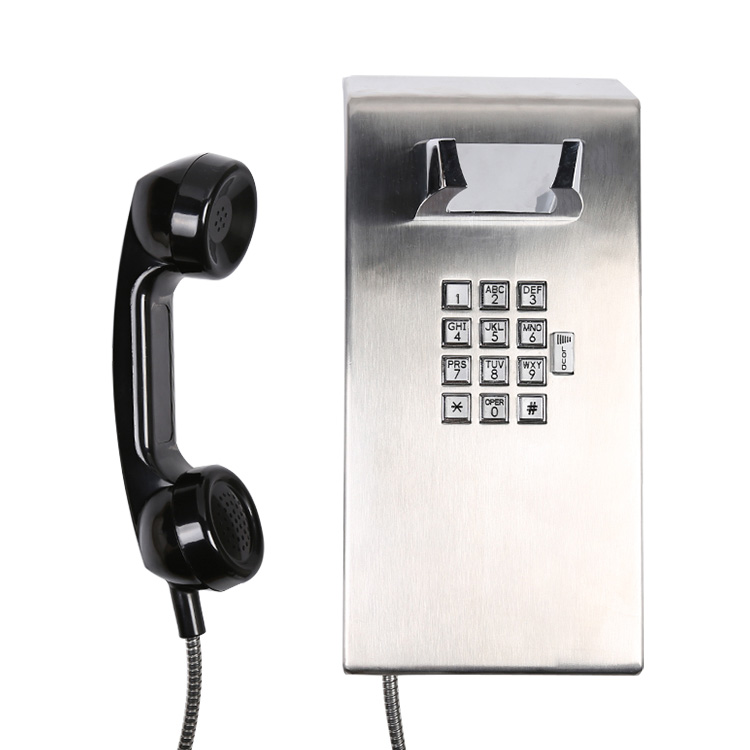
Vandal-resistant telephones often face harsh treatment in public spaces. They survive abuse because of their robust physical construction. These specialized devices use unique materials and intelligent design features. This engineering helps them withstand impacts, tampering, and tough environmental stressors effectively.
Key Takeaways
- Vandal-resistant telephones have strong bodies. They use thick metal or tough plastic. This stops people from breaking them.
- These phones have special parts. They have reinforced cords and buttons. This makes them hard to damage or open.
- Vandal-resistant telephones work in bad weather. They resist water, dust, and big changes in heat. This keeps them working when needed.
Robust Construction of Vandal-Resistant Telephones
Heavy-Gauge Housings for Vandal-Resistant Telephones
Vandal-resistant telephones need very strong bodies. Manufacturers build them from thick stainless steel or heavy-duty aluminum. Some models use tough polycarbonate. These materials stop people from smashing, prying, or drilling the phone. The housings are very thick. They protect all the internal components well. This robust shell forms the first line of defense against damage.
Reinforced Handsets and Cords for Vandal-Resistant Telephones
Handsets on these specialized phones are not like regular ones. They often have steel reinforcement inside them. This makes them extremely hard to break or pull apart. The cords are also special. They feature steel armor. This armor stops people from cutting or pulling the cord off the phone. The cords also resist tangling. They connect very securely to the phone body, preventing easy detachment.
Tamper-Proof Fasteners and Welded Seams in Vandal-Resistant Telephones
You cannot easily open these phones. They use special screws. Regular screwdrivers do not work on them. These screws need unique tools. This design stops unauthorized access to the phone’s inner workings. Many parts also feature welded seams. This means manufacturers permanently join them. Welded seams prevent prying. They also keep water and dust out. This design makes it very hard to get inside the Vandal-Resistant Telephone without the right tools.
Engineered Resilience in Vandal-Resistant Telephone Design
Impact-Resistant Keypads and Buttons for Vandal-Resistant Telephones
Vandal-resistant phones feature keypads and buttons built to last. Manufacturers make these parts from strong materials like stainless steel or tough polycarbonate. People can hit them, poke them, or try to pry them off, but they stay in place. These buttons do not break easily. They also work reliably even after many uses. This design ensures users can always dial numbers or press emergency buttons without issues.
Liquid and Dust Protection (IP Ratings) for Vandal-Resistant Telephones
Public places often have dust, rain, or even spilled drinks. Vandal-resistant telephones need protection from these elements. An “IP rating” tells you how well a device resists dust and water. For example, an IP66 rating means the phone is completely protected from dust. It also handles strong jets of water. This protection keeps the phone’s inside parts safe and working. It ensures the phone operates correctly in all kinds of weather or messy situations.
Anti-Tamper Switches and Sensors in Vandal-Resistant Telephones
These phones have smart features to stop people from messing with them. Inside, they often contain special switches or sensors. If someone tries to open the phone’s housing without permission, these sensors detect it. They can then trigger an alarm or send an alert to security staff. This makes it very hard for vandals to disable the phone or steal its parts. It adds another layer of security.
Recessed Components and Smooth Surfaces of Vandal-Resistant Telephones
Designers make these phones with few places for vandals to grab or pry. Buttons, microphones, and speakers often sit deep inside the phone’s body. This “recessed” design makes them harder to damage. The phone’s outer surfaces are also very smooth. They do not have sharp edges or gaps. This smooth design prevents people from getting a grip to pull parts off. It also makes the phone easier to clean and maintain.
Environmental and Operational Endurance of Vandal-Resistant Telephones
Temperature Extremes for Vandal-Resistant Telephones
These phones must work in many different climates. They handle extreme heat and extreme cold. Manufacturers build them with industrial-grade components. These parts perform reliably from freezing temperatures to very hot conditions. The phone’s sealed housing protects internal electronics. This design prevents damage from rapid temperature changes. It ensures the phone always stays operational, whether in a desert or an arctic region.
Humidity and Corrosion Resistance for Vandal-Resistant Telephones
Public places can be damp or wet. Some areas, like coastal regions, have salty air. Vandal-resistant telephones resist humidity and corrosion effectively. They often feature special anti-corrosion coatings on metal parts. These coatings prevent rust and degradation. Gaskets and seals keep moisture out of the phone’s sensitive electronics. This robust protection means the phone works reliably, even in harsh, wet, or salty environments.
Acoustic Protection in Vandal-Resistant Telephones
Noisy environments make phone calls difficult. These specialized phones offer clear sound for users. They often include noise-canceling microphones. These microphones focus on the speaker’s voice. They block out distracting background noise from traffic or crowds. The speakers are also robust. They deliver clear audio, even in very loud areas. This acoustic design ensures effective communication. It provides clear calls when people need them most, regardless of surrounding noise.
Vandal-resistant telephones survive abuse by integrating superior materials, intelligent anti-tamper designs, and environmental hardening. They also use secure installation methods. This combination ensures reliable communication, even in the most challenging public and high-risk settings where other phones would fail.
FAQ
Where do people typically install vandal-resistant telephones?
People install them in many public and high-risk locations. These include:
- Train stations and airports ✈️
- Prisons and correctional facilities
- Schools and universities
- Parking garages and industrial sites
- Emergency call points
What makes the handsets and cords so durable?
Handsets have steel reinforcement inside. Cords feature steel armor. This prevents cutting, pulling, or breaking, ensuring reliable communication even with rough handling.
How do these phones protect against water and dust?
They have high IP ratings, like IP66. This means they are completely dustproof and can withstand strong water jets. This keeps internal parts safe and working in all weather.