
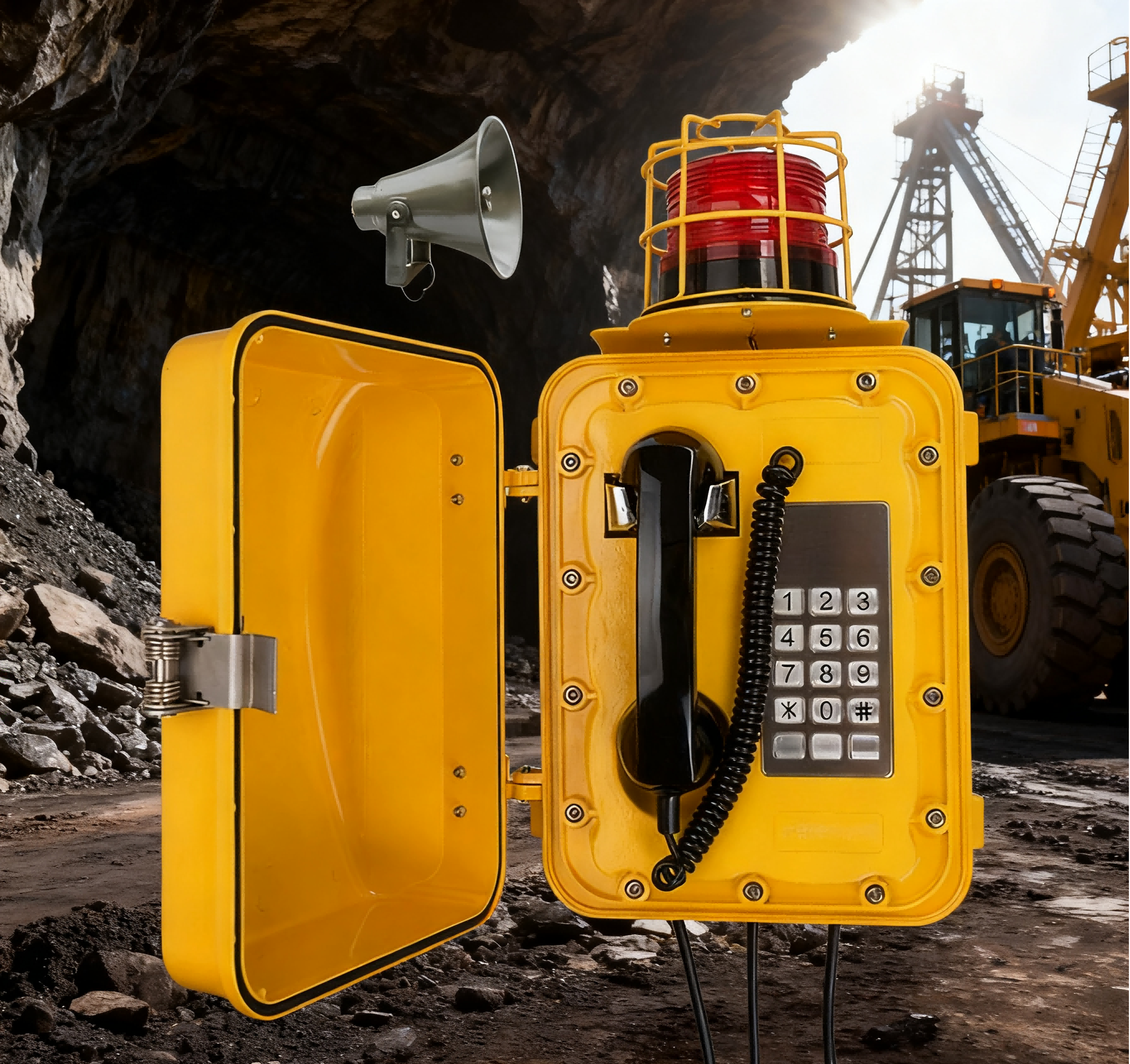
Industrial telephone systems dramatically improve safety in high-risk worksites. They offer reliable, immediate, and clear communication channels. This is crucial for quick emergency response, smooth operational coordination, and effective hazard mitigation. An Industrial Telephone system truly stands as a critical safety tool for any dangerous environment.
Key Takeaways
- Industrial telephone systems are strong phones. They work well in dangerous places like factories or mines.
- These phones help people talk clearly, even with loud noises. They have special buttons for emergencies.
- Using these phones makes workplaces safer. They help prevent accidents and get help fast when needed.
The Critical Role of Industrial Telephone Communication in High-Risk Environments
Why Standard Communication Fails
Think about a typical smartphone. It works great in an office or at home. But what happens when you take it into a noisy factory, a dusty mine, or a chemical plant? Standard communication devices often fail in these tough places. Loud machinery drowns out voices. Dust and grime can clog speakers and microphones. Extreme temperatures can damage electronics. A dropped phone might shatter. These devices simply are not built to handle the harsh conditions of high-risk worksites. They become unreliable when you need them most, especially during an emergency.
The Imperative for Robust Communication
In environments where hazards are common, communication cannot fail. Workers need to talk to each other clearly and instantly. They must report dangers, coordinate tasks, and call for help without delay. This is where robust communication becomes essential. It means having systems that withstand the environment. It means clear audio, even with background noise. An Industrial Telephone system provides this vital link. It ensures everyone stays connected, making sure critical messages get through every single time. This reliable connection directly saves lives and prevents accidents.
Key Features of Industrial Telephone Systems for Enhanced Safety
Durability and Environmental Resistance
These systems are not like your everyday phone. Manufacturers build them tough. They use rugged materials for casings. Components are sealed tight. This protects them from water, dust, and dirt. They also withstand extreme temperatures, from freezing cold to scorching heat. Vibrations and impacts do not easily damage them. Some even resist corrosive chemicals. This durability means the phone works when you need it most, no matter how harsh the environment. An Industrial Telephone system stands up to the toughest conditions.
Noise Cancellation and Audio Clarity
High-risk worksites are often very noisy. Loud machines, alarms, and equipment create a constant din. This makes clear communication difficult. Industrial telephone systems solve this problem. They feature advanced noise-canceling microphones. These microphones filter out background noise. Powerful speakers ensure you hear messages clearly. This means workers can talk and understand each other, even in the loudest areas. Clear audio prevents misunderstandings. It ensures critical safety messages get through every time.
Emergency Call Functionality and Priority Access
Emergencies demand quick action. Industrial telephone systems often include dedicated emergency call buttons. Workers can press this button for an instant connection. It links them directly to emergency services or a central control room. These calls also get priority access. This means they can override busy lines. No one waits for an open line during a crisis. This feature ensures rapid response during critical incidents. It helps save lives and minimizes damage.
Integration with Safety Systems
Modern industrial telephone systems do not work alone. They connect with other safety technologies. Think about fire alarms, gas detectors, or public address (PA) systems. When a sensor triggers an alert, the telephone system can automatically notify personnel. It can make phones ring or broadcast messages. This creates a powerful, integrated safety network. It allows for centralized control. You can manage communication from one central point. This integration enhances overall site safety.
Explosion-Proof and Intrinsically Safe Designs
Some worksites have unique dangers, like flammable gases or explosive dust. For these areas, standard phones are too risky. They could create a spark and cause an explosion. Industrial telephone systems offer specialized designs for these environments. “Explosion-proof” phones contain any sparks inside their casing. “Intrinsically safe” phones limit electrical energy. They prevent sparks from happening at all. These designs meet strict certifications like ATEX or IECEx. They are crucial for industries such as oil and gas, chemical plants, and mining. They ensure communication without adding explosion risk.
How Industrial Telephone Systems Directly Improve Safety Outcomes
Faster Emergency Response Times
When an emergency happens, every second counts. Industrial telephone systems make sure help arrives faster. Workers can instantly report an accident or a dangerous situation. They do not need to search for a mobile phone or find a safe spot to use it. A dedicated emergency button connects them right away to control rooms or first responders. This direct line means no delays. It allows emergency teams to understand the situation quickly and send the right help. Faster communication directly leads to quicker responses, which can save lives and reduce injuries.
Enhanced Coordination During Incidents
During an incident, many people need to work together. Clear communication is key for good teamwork. Industrial telephone systems allow different teams to talk to each other without problems. For example, a rescue team can speak directly with a medical team. They can share updates on the situation, coordinate actions, and make sure everyone knows their role. This prevents confusion and mistakes. When everyone communicates well, they can manage the incident more effectively. This organized effort helps to control the situation and protect more people.
Proactive Hazard Reporting and Mitigation
Safety is not just about reacting to problems; it is also about preventing them. Industrial telephone systems help workers report potential dangers before they cause an accident. A worker might see a loose wire or a strange smell. They can immediately call and report it. This quick reporting allows supervisors to fix the problem right away. They can take steps to make the area safe. This proactive approach stops small issues from turning into big accidents. It creates a culture where everyone looks out for hazards and acts fast to fix them.
Improved Worker Accountability and Monitoring
These communication systems also help keep track of workers and their tasks. Supervisors can use them to check in with employees in remote or dangerous areas. This ensures workers are safe and following procedures. Some systems can even log calls and communication times. This record helps with accountability. It shows who communicated what and when. This monitoring helps enforce safety rules. It also provides valuable information if an incident occurs, helping to understand what happened and how to prevent it in the future. An Industrial Telephone system helps ensure everyone stays on task and safe.
Compliance with Safety Regulations
Governments and industry groups set strict safety rules for high-risk workplaces. Companies must follow these rules to protect their employees. Industrial telephone systems help businesses meet many of these regulations. They provide reliable communication, which is a basic safety requirement. Using these systems shows that a company takes safety seriously. It helps them pass inspections and avoid fines. More importantly, it ensures they provide a safe working environment, which is the main goal of all safety regulations.
Industrial Telephone systems are vital for making high-risk worksites safer. They provide reliable, clear, and immediate communication. This helps prevent incidents, manage emergencies effectively, and protect all personnel. These systems form a foundational element of any comprehensive safety strategy.
FAQ
❓ What makes industrial phones different from regular phones?
Industrial phones are built tough. They resist water, dust, and extreme temperatures. They also feature noise cancellation for clear communication in loud areas. Regular phones cannot handle these harsh conditions.
🔊 Can these systems work in very loud places?
Yes, they can! Industrial telephone systems have special noise-canceling microphones. They filter out background noise. This ensures workers hear and understand messages clearly, even in the loudest environments.
💥 Are they safe to use in explosive environments?
Absolutely. Manufacturers design some industrial phones to be explosion-proof or intrinsically safe. These models prevent sparks. They meet strict safety standards for areas with flammable gases or dust.