
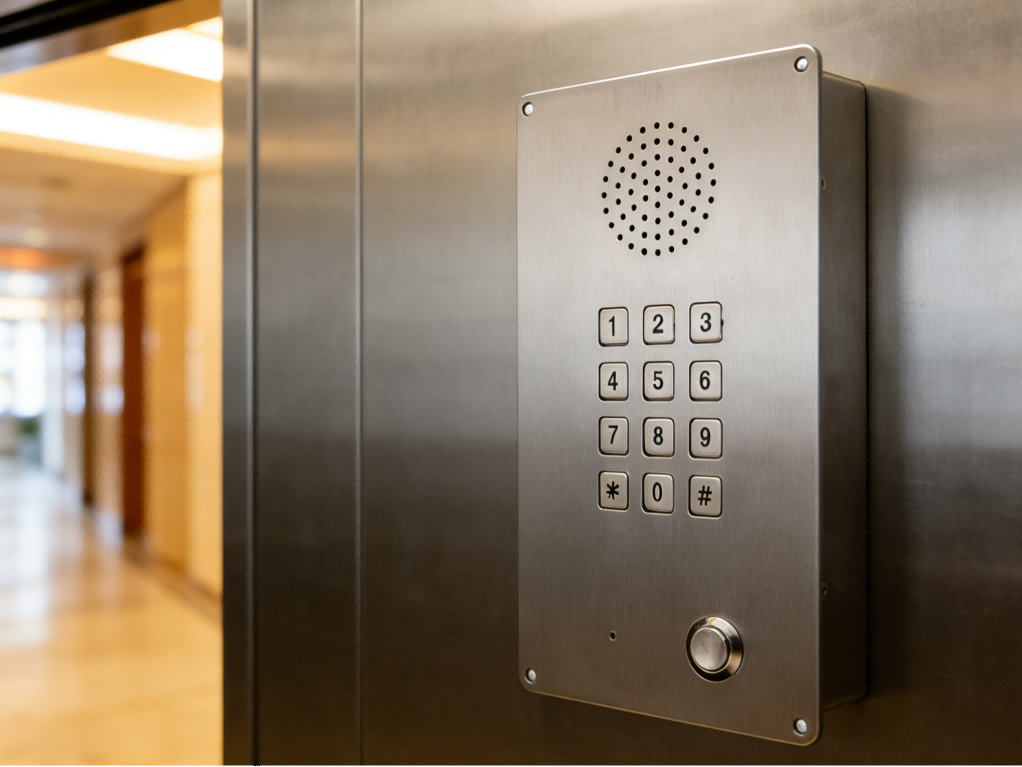
Elevator telephones significantly boost emergency reliability in tall buildings and factories. They provide a consistent, direct communication line to emergency services or building staff. This connection works even when power goes out. An Elevator Telephone ensures people can always get help.
Key Takeaways
- Elevator telephones provide a direct line to help. They work even when power is out or cell signals are bad.
- These phones are easy to use. They help everyone, including people with disabilities, get help fast.
- Elevator telephones meet safety rules. They also use new technology to stay reliable for a long time.
Enhanced Safety Through Reliable Elevator Telephone Connectivity

Elevator systems play a vital role in modern buildings. They move people and goods efficiently. However, emergencies can happen. Reliable communication becomes critical during these times. An advanced Elevator Telephone system significantly boosts safety. It ensures people can always reach help.
Uninterrupted Communication During Power Outages
Power outages pose a major challenge for building systems. When the lights go out, many communication tools fail. This includes standard landlines and even some wireless networks. An Elevator Telephone, however, keeps working. These systems often have dedicated backup power sources. They use batteries or uninterruptible power supplies (UPS). This means the phone stays active even if the building loses all electricity. People trapped inside an elevator can still call for help. This continuous connection provides immense peace of mind.
Direct Link to Emergency Responders
Time is crucial in an emergency. Every second counts. A standard cell phone call might involve several steps. You dial 911, explain your location, and describe the situation. An Elevator Telephone offers a more direct path. It connects directly to a monitoring center or building security. These centers know the exact location of the elevator. They can quickly dispatch the right help. This direct link speeds up response times. It ensures emergency personnel get accurate information fast. This efficiency can make a big difference in critical situations.
Overcoming Cellular Dead Zones with Elevator Telephones
High-rise buildings and large factories often have cellular dead zones. These are areas where cell phone signals cannot reach. Elevators, especially, can block signals due to their metal construction. This makes using a mobile phone impossible inside a car. An Elevator Telephone solves this problem. It uses a dedicated communication line. This line might be a traditional landline (PSTN) or a specialized VoIP connection with backup. These systems do not rely on cellular networks. They provide a clear, reliable connection regardless of signal strength. This ensures communication is always possible, even in the most challenging parts of a building.
Improved Usability and Accessibility of Elevator Telephones
An effective emergency system is not just about connectivity; it also needs to be easy for everyone to use. Elevator telephones excel in this area. They offer straightforward operation and clear communication. This makes them highly accessible for all building occupants.
Simple Operation for Occupants
People in an emergency often feel stressed. They need simple tools. Elevator telephones are designed for this. Users typically just push one button. This button connects them directly to help. They do not need to remember phone numbers or dial complex sequences. This simple design reduces panic. It ensures anyone, even a child or someone unfamiliar with the building, can quickly call for assistance.
Clear Communication for Emergency Personnel
Emergency responders rely on clear information. Elevator telephones provide excellent audio quality. They often include noise-canceling features. This is especially important in noisy environments like factories. Responders can hear the trapped person clearly. The person in the elevator can also hear the responder. This two-way communication helps emergency teams understand the situation better. They can then give precise instructions.
Accessibility for Individuals with Disabilities
Modern building codes require accessibility for everyone. Elevator telephones meet these standards. They often feature tactile buttons or Braille for visually impaired individuals. Some systems include visual indicators. These lights show when the call connects or when someone speaks. This helps people with hearing impairments. An advanced Elevator Telephone system ensures all occupants can access emergency help. It provides peace of mind for everyone in the building.
Code Compliance and Future-Proofing Elevator Telephone Systems
Building owners and managers face important responsibilities. They must keep people safe. They also need to prepare for the future. Elevator telephone systems play a big part in meeting these goals.
Meeting Regulatory Requirements
Governments and safety organizations set rules for elevators. These rules ensure everyone’s safety. For example, in the United States, ASME A17.1 is a key safety code. It says every elevator must have a two-way communication system. This system connects people inside the elevator to someone outside. An Elevator Telephone helps buildings meet these strict rules. Not following these codes can lead to big fines. It also puts people at risk. So, compliance is not just good practice; it is a legal requirement.
Integrating with Building Management Systems
Modern buildings use smart technology. Building Management Systems (BMS) control many things. They handle heating, cooling, and security. Integrating the elevator telephone system with the BMS offers many benefits. When someone uses the elevator phone, the BMS can get an alert. This means building staff know about an emergency right away. They can see which elevator needs help. This connection makes response times much faster. It also helps staff manage emergencies more effectively.
Adapting to Evolving Technology
Technology changes quickly. Elevator telephone systems also evolve. Older systems used analog lines. Newer systems often use Voice over Internet Protocol (VoIP). VoIP offers clearer sound and more features. It also integrates better with other digital systems. Choosing a system that can adapt to new technology is smart. This future-proofs the building’s emergency communication. It means the system stays reliable and effective for many years.
Elevator telephones are vital for emergency reliability in high-rise buildings and factories. They provide consistent, direct communication. This enhances safety and peace of mind for everyone. Investing in advanced elevator telephone systems is crucial. It ensures compliance and prepares buildings for future emergencies.
FAQ
Why do elevators need special phones?
Elevators need special phones for safety. They provide reliable communication during power outages. They also work where cell phones do not. This ensures people can always call for help.
How do elevator phones work without power?
Most elevator phones have backup batteries. These batteries keep the phone working. They ensure communication even when the building loses electricity. This means help is always available.
Are elevator phones easy for everyone to use?
Yes, they are. They often have one-button dialing. Many include features like Braille and visual indicators. This helps people with disabilities. Everyone can easily get assistance.
 English
  Français
  Deutsch
  日本語
日本語  한국어
한국어