
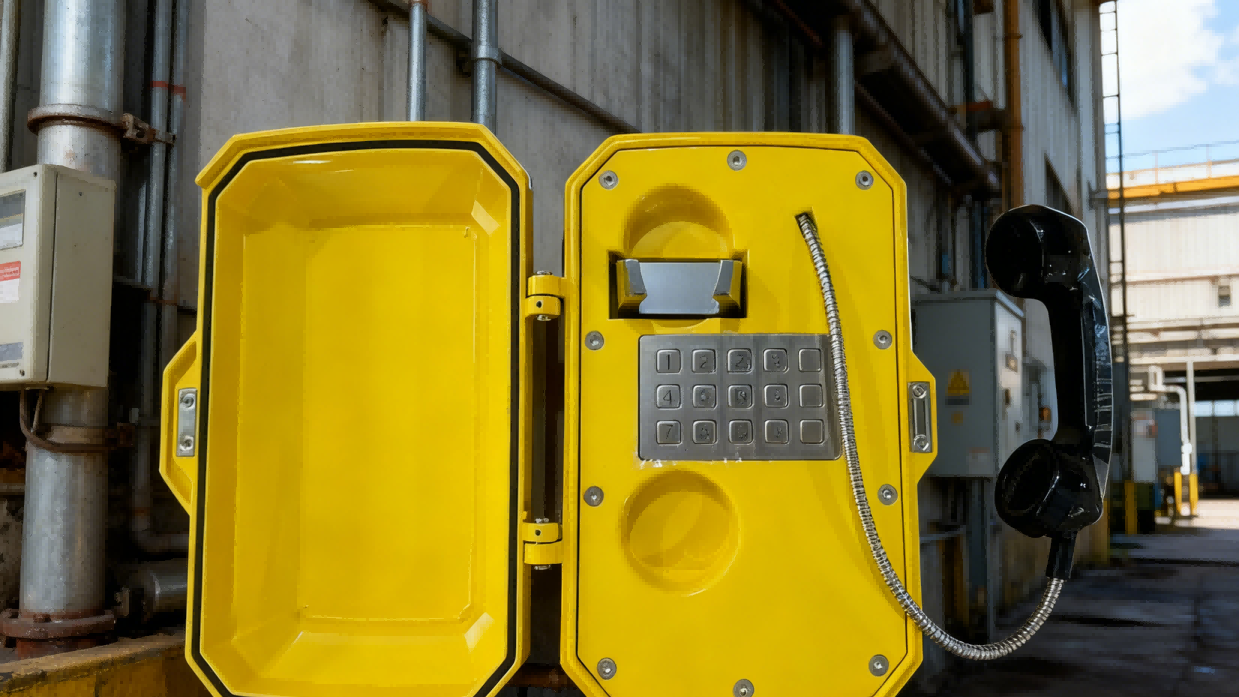
Consistent preventative maintenance, proper installation, and regular environmental checks are crucial for the long-term outdoor performance of Industrial Telephones. These specialized communication devices are built for extreme conditions. Outdoor environments present unique challenges to Industrial Telephone functionality and longevity.
Key Takeaways
- Install industrial telephones correctly. Use strong mounts and waterproof cables. This protects them from weather and damage.
- Perform regular checks on industrial telephones. Look for wear and clean them often. This keeps them working well.
- Troubleshoot common problems quickly. Check connections for no dial tone. Clean parts for poor audio. This helps fix issues fast.
Installation and Environmental Protection for Industrial Telephones
Secure Mounting Techniques
Properly mounting an Industrial Telephone is the first crucial step for its long life outdoors. Installers must choose a stable, flat surface for attachment. This prevents movement from strong winds or accidental bumps. They should use heavy-duty, corrosion-resistant hardware like stainless steel bolts or screws. These materials resist rust and keep the telephone firmly in place. Also, consider the height and location. Mounting the device where it is easily accessible for use but protected from direct impact helps a lot. A secure mount stops vibrations from affecting internal parts. It also makes the telephone less likely to suffer damage from vandalism or harsh weather.
Proper Cabling and Connections
Cables and connections are the lifelines of any Industrial Telephone. Workers must select outdoor-rated cables. These cables have special jackets that resist UV rays, moisture, and extreme temperatures. They also need proper shielding to prevent electrical interference. When connecting, ensure all terminals are clean and tight. Loose connections can cause poor sound quality or complete communication failure. Use waterproof connectors and seal all entry points where cables enter the telephone housing. This stops water from seeping inside and damaging sensitive electronics. Proper cable management, like using conduits or cable trays, protects wires from physical damage and pests.
Effective Grounding Procedures
Grounding an Industrial Telephone protects both the device and its users from electrical hazards. It provides a safe path for electricity if a fault occurs or lightning strikes nearby. Installers must connect the telephone’s grounding terminal to a reliable earth ground. This usually involves a dedicated ground rod or a building’s main grounding system. Use thick, low-resistance grounding wire. All connections should be clean, tight, and corrosion-free. Regular checks of the grounding system ensure it remains effective. A well-grounded system significantly reduces the risk of damage from power surges.
Advanced Weatherproofing Measures for Industrial Telephones
Outdoor environments constantly challenge an Industrial Telephone. Advanced weatherproofing goes beyond basic seals. Manufacturers often design these phones with robust enclosures made from materials like marine-grade aluminum or reinforced polycarbonate. These materials resist corrosion, UV degradation, and impact. Installers should always check the integrity of all gaskets and seals during installation. They must ensure all access panels close tightly. Some models feature internal heaters or dehumidifiers to manage condensation. A small drip shield or overhang above the telephone can also offer extra protection from direct rain and sun.
Surge Protection Implementation
Lightning strikes and power fluctuations pose a serious threat to outdoor electronics. Implementing surge protection is vital. Installers should integrate surge protection devices (SPDs) into the power supply lines and communication lines leading to the Industrial Telephone. These devices divert excess voltage away from the telephone, protecting its internal circuits. Place SPDs as close to the telephone as possible for maximum effectiveness. Regular testing of SPDs ensures they are still functional and ready to protect the equipment. This proactive measure saves costly repairs and prevents communication downtime.
Temperature Management Solutions
Extreme temperatures, both hot and cold, can severely impact an Industrial Telephone’s performance and lifespan. In very cold climates, internal heating elements can prevent components from freezing and ensure the display remains visible. In hot environments, proper ventilation or passive cooling solutions help dissipate heat. Avoid direct sunlight exposure where possible, or use a protective enclosure that offers shade. Some advanced telephones have built-in temperature sensors. These sensors can trigger heating or cooling systems as needed. Managing temperature extremes keeps the telephone operating within its optimal range.
Routine Maintenance and Component Checks for Industrial Telephones
Regular checks keep Industrial Telephones working well. These routine tasks help prevent big problems later. They ensure the device stays reliable in tough outdoor spots.
Visual Checks for Wear and Damage
Technicians always start with a good look at the telephone. They search for any signs of wear or damage. This includes cracks on the casing or faded paint. They also check for rust or corrosion on metal parts. Loose screws or missing covers can let water inside. They make sure all labels are still readable. A quick visual check often spots small issues before they become major failures.
Cleaning Procedures for Optimal Function
Dirt, dust, and grime build up on outdoor telephones. This can block buttons or cover the speaker. Technicians use a soft, damp cloth to wipe down the exterior. They avoid harsh chemicals that might damage the casing. For tough grime, a mild soap solution works well. They pay special attention to the keypad and handset. Keeping these parts clean ensures clear communication and prevents sticky buttons.
Ensuring Seal and Gasket Integrity
Seals and gaskets protect the telephone’s inside parts from water and dust. Technicians carefully inspect these rubber or silicone strips. They look for cracks, tears, or signs of drying out. A damaged seal lets moisture get in. If a seal looks worn, they replace it right away. This simple step greatly extends the life of an Industrial Telephone.
Keypad and Handset Functionality
Users need a working keypad and handset. Technicians press each button on the keypad to ensure it responds. They listen for the correct dial tone when lifting the handset. They also check the handset cord for fraying or damage. A broken cord means no calls. They make sure the handset fits comfortably and securely in its cradle.
Speaker and Microphone Performance
Clear sound is very important for communication. Technicians test the speaker by making a call or playing a test tone. They listen for clear, loud audio without static. They also check the microphone. They speak into it to confirm others can hear them clearly. Blocked speaker grilles or a faulty microphone make conversations difficult. They clean any debris from these areas.
Circuit Board and Internal Wiring Inspection
💡 Safety First! Only qualified technicians should open the telephone for internal inspections. Always disconnect power before opening the unit.
Internal components also need attention. Technicians carefully open the telephone’s housing. They look at the circuit board for signs of corrosion or overheating. They check all internal wires. They make sure wires are securely connected and not frayed. Loose connections can cause intermittent problems. This detailed inspection helps catch hidden issues.
Troubleshooting Common Issues with Industrial Telephones
Even with the best maintenance, problems can still pop up. Knowing how to troubleshoot common issues helps get your Industrial Telephone back online fast. Quick action prevents long communication outages.
Diagnosing No Dial Tone
A missing dial tone means the phone cannot make calls. First, check the phone line connection. Make sure the cable plugs in firmly at both ends. Look for any visible damage to the cable itself. Sometimes, a power cycle helps. Disconnect the power, wait a few seconds, then reconnect it. If the problem continues, the issue might be with the phone line provider or the internal wiring. You can test the line with another known working phone if available.
Resolving Poor Audio Quality
Poor audio quality makes conversations difficult. This includes static, low volume, or distorted sound. Start by cleaning the speaker and microphone grilles. Dirt or debris often blocks them. Check the handset cord for damage or loose connections. A frayed cord can cause interference. If the phone connects to a network, check the network connection for stability. Sometimes, environmental interference from nearby machinery causes audio problems. Moving the phone or shielding the cables might help.
Addressing Power Supply Problems
A phone with no power cannot work. First, check the power source. Ensure the power cable plugs in securely. Look for any tripped circuit breakers or blown fuses. If the phone uses a power adapter, test it with a multimeter if possible. Sometimes, the power supply unit itself fails. Replacing a faulty power supply often fixes the issue. Always use the correct voltage and amperage power supply for the specific telephone model.
Regular maintenance is essential for maximizing the lifespan and reliability of an Industrial Telephone. Adhering to a structured maintenance schedule prevents costly downtime. This proactive care ensures continuous communication in critical outdoor settings. It keeps operations smooth and safe for everyone.
FAQ
How often should one perform maintenance on an industrial telephone?
Technicians should perform visual checks monthly. They conduct thorough inspections and cleaning every three to six months. This schedule ensures optimal performance and longevity for the device.
What materials are best for outdoor industrial telephone enclosures?
Robust enclosures are vital. Manufacturers often use marine-grade aluminum or reinforced polycarbonate. These materials resist corrosion, UV damage, and impact effectively.
Can extreme temperatures damage industrial telephones?
Yes, extreme temperatures can cause damage. Very cold conditions can freeze internal components. High heat can lead to overheating. Temperature management solutions help prevent these issues.