
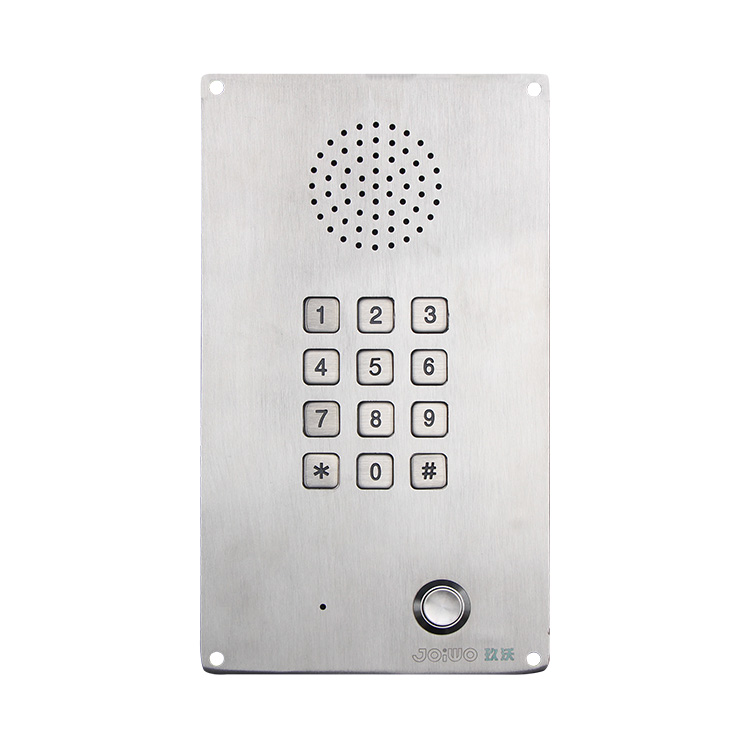
High-rise buildings depend on their elevator emergency telephone. This vital lifeline offers immediate peace of mind. It creates a critical communication link during elevator incidents. Trapped passengers get a direct connection to assistance, knowing help is on the way. An elevator emergency telephone ensures a rapid response; the average wait time for assistance is about 30 minutes.
Key Takeaways
- Elevator emergency phones are special devices inside elevators. They connect trapped people to help right away. This gives people peace of mind.
- These phones use different technologies like landlines, cell phones, or internet calls. They must follow strict safety rules to work well. This ensures everyone can get help.
- Emergency phones are very important for safety. They help people get rescued fast. They also make sure people with disabilities can use them.
Understanding the Elevator Emergency Telephone System
What an Elevator Emergency Telephone Is
An elevator emergency telephone is a special communication device. You find it inside an elevator car. It looks different from a regular phone. This device has a simple design, often just a button or a small panel. It connects directly to a monitoring center or emergency services. People use it only when they need help inside the elevator.
Core Purpose of the Elevator Emergency Telephone
The main job of this telephone is to provide a direct link to assistance. If an elevator stops or someone feels unwell, they can press the button. This action immediately connects them with trained personnel. The personnel can talk to the passenger. They can also send help quickly. This system gives passengers peace of mind. They know help is just a button press away.
Key Components of the Elevator Emergency Telephone System
Several parts work together to make the system function. First, the elevator emergency telephone unit itself sits inside the elevator. This unit includes a speaker and a microphone. It also has a call button. Second, a communication line connects the elevator unit to the outside world. This line can be a traditional phone line, a cellular connection, or even an internet-based (VoIP) system. Third, a central monitoring station receives the calls. Operators at this station are ready to respond 24/7. They dispatch help when needed.
How the Elevator Emergency Telephone Operates
Activation and Communication Process of the Elevator Emergency Telephone
When someone needs help inside an elevator, they simply activate the emergency button. This button often has a phone icon or the word ‘Emergency’ on it. Pressing it starts a critical communication process. An Elevator Emergency telephone initiates a call to an emergency contact through a two-way communication system and an auto-dial feature. When a passenger picks up the phone, they immediately connect to a trained operator at a monitoring center. The auto-dial feature ensures the phone automatically connects to the monitoring center, even during power outages or other emergencies. This guarantees continuous operation.
The communication flow typically follows these steps:
- Passenger activates the emergency button (marked ‘Emergency’ or with a phone icon).
- The call is typically routed to one of three destinations:
- A 24/7 monitoring center that coordinates emergency response.
- An on-site security office where building security personnel can respond directly.
- Local emergency services (e.g., fire department or other first responders).
- Many systems are programmed to call alternate numbers if the primary responder does not answer.
When an elevator malfunctions or a passenger is trapped, they activate the emergency phone to communicate with building security or emergency responders. This direct line reduces panic and accelerates rescue operations. For instance, in a high-rise office building, emergency phones connected to the security center enable quick dispatch of maintenance teams, often reducing rescue time by up to 30%.
Technology Behind the Elevator Emergency Telephone: Landline, Cellular, and VoIP
Emergency phones in elevators use different technologies to make these vital connections. Historically, landline connections were standard. These traditional phone lines offer a stable connection but can be vulnerable to physical damage or service disruptions.
More modern systems often use cellular or Voice over Internet Protocol (VoIP) technology. Cellular connections offer several benefits:
- Enhanced Safety through Reliable Connectivity: Cellular service offers a more reliable and robust communication network compared to traditional phone lines, which are prone to disruptions. It ensures constant connectivity, even during power outages or technical malfunctions, providing a dependable and immediate connection for passengers to communicate with emergency services.
- Improved Usability for Seamless Communication: Cellular technology eliminates the need for physical landlines, allowing for easier installation and relocation of elevator phones. It enables two-way communication, facilitating instructions and reassurance from emergency responders or building management to trapped passengers. The ease of use ensures effective operation by individuals of all ages and technical proficiencies.
- Code Compliance and Future-Proofing: Cellular service aligns with evolving regulatory standards for elevator safety, helping building owners and operators maintain compliance. It also provides a future-proof solution, allowing for easy integration of future upgrades and enhancements without extensive retrofitting.
VoIP systems use the internet to transmit calls. They offer flexibility and can integrate with other building management systems. However, they rely on a stable internet connection and a backup power source.
Monitoring and Alert Systems for Elevator Emergency Telephones
Monitoring and alert systems ensure someone always hears an emergency call. These systems operate 24/7. Trained operators at monitoring stations receive calls from the elevator. They communicate with occupants and then dispatch notifications to building management contacts, security guards, or emergency services. These systems also feature remote monitoring and notification capabilities. They send immediate alerts to designated contacts such as building management, security personnel, and emergency responders. This facilitates prompt action and coordination during an emergency. Individuals inside the elevator can use the emergency phone to contact these parties for assistance.
Specific requirements guide these monitoring systems:
- ASME A17.1 2019 Code (2.27.1.1): This code outlines critical requirements for elevator emergency communication systems. It ensures strict safety and functionality standards.
- Monitoring Enhancements: The code mandates video monitoring and two-way text communication between the elevator cab and the responding operator. This requires upgraded communication systems.
- Two-Way Communication: All emergency elevator phones must have two-way communication. This allows riders to speak with a dispatcher.
- ADA Compliance: Two-way communication systems must comply with ADA code requirements. This includes non-verbal communication options for speech and hearing-impaired individuals. This involves prewritten messages on a screen, ‘Yes’/’No’ buttons, and tactile/visual instructions.
- Height of Operable Parts: The highest operable part of the system must be no more than 48 inches from the car floor.
- Elevators with a Rise of 60 Feet or More: These elevators require voice and video communication over an internet connection.
- Onsite Staff: If a building has 24/7 onsite staff, calls from the Elevator Emergency telephone must reach a security desk, nurse station, reception desk, or similar onsite location. Staff must also have the ability to call back to the elevator.
- ASME A17.1 Emergency Communications: Two-way communication systems between the elevator and a point outside the hoistway must comply with ASME A17.1.
- Highest Operable Part: The highest operable part of a two-way communication system should be within 48 inches (1220 mm) from the car floor. It must be clearly identified with raised symbols and lettering.
- Handset Cord Length: If a handset is used, the cord length from the panel to the handset should be at least 29 inches (735 mm).
- Power Supply: The system should normally connect to the building’s power supply. It must automatically switch to standby or emergency power upon normal power failure. The power source must operate the audible signaling device and illuminate the alarm switch for at least one hour. It must also support two-way conversation for at least four hours.
- Absence of Building Attendant: In buildings without a continuously available attendant, elevators must have a means for communicating with or signaling a service capable of taking appropriate action.
- Testing Instructions: The call button must be push-activated and identified with ‘HELP’. Pressing ‘HELP’ should dial a pre-programmed 24-hour monitoring service. A ‘Call Connected LED’ should indicate established communication. The monitoring service should be able to identify the building’s location or cab numbers. Monthly testing is recommended.
- IBC & ASME A17.1-2019 for Visible Text and Audible Modes: If a system offers both visible text and audible modes, it must feature a live interactive system for two-way conversation. It must be operational whenever the elevator is operational. It must also allow occupants to choose between text-based or audible modes.
Why the Elevator Emergency Telephone is Critical for Safety
Meeting Legal Requirements for Elevator Emergency Telephones (ASME, ADA)
Elevator emergency phones are not just a good idea; they are a legal necessity. Strict codes and standards ensure these devices work correctly and serve everyone. The American Society of Mechanical Engineers (ASME) A17.1 code sets many rules for elevator safety. For example, ASME A17.1 requires a two-way emergency communication device in elevator cars. This device allows direct talk with authorized personnel. The system must activate with a push button, and it cannot use handsets or closed compartments. The button needs a tactile phone symbol and the word “HELP” on or next to it. Operating instructions are also a must. A visual signal, like an LED light, shows that the emergency call has gone through. This light stays on until the call ends.
The ASME code also demands 24/7 monitoring. A trained emergency response service must monitor the phone line every day of the year. The phone connects directly without needing someone to dial a number; it cannot just dial 911. To help everyone, the phone must be hands-free and sit within 48 inches of the floor. It must allow two-way voice communication between the rider and the dispatcher. Each elevator phone must also tell emergency responders its exact location automatically. This happens without the caller needing to speak. The system needs unique information like the building, address, and elevator number, especially if phones share a system. The phone system must work for at least four hours during a power outage. This often means redundant connections like cellular or VoIP. Regular testing and maintenance are also required to ensure everything works.
The Americans with Disabilities Act (ADA) also has important rules. These rules make sure people with disabilities can use the emergency phone. The two-way communication system must activate with a push button. Handsets and closed compartments are not allowed. The button must have a tactile phone symbol and the word “HELP” on or next to it. Operating instructions are necessary. A visual signal, like a labeled LED light, must show that the call is received. This signal should be on the same panel as the “HELP” button and turn off when the call ends. All buttons and controls must follow ADA standards. The push button needs a tactile phone symbol and braille. Instructions and other information must meet visual character rules, but they do not have to be tactile.
Ignoring these rules carries serious risks. Non-compliant elevator phones will fail code inspections. This exposes property owners to fines. If residents cannot get help, bad news can spread fast on social media, hurting a building’s reputation. Penalties include fines, halted elevator operations, and legal lawsuits. Property owners might see insurance premium increases or even denial of coverage. Property values can decline, and occupancy permits might face delays. Costly retrofitting and repairs become necessary. Building owners might also struggle to attract tenants or clients. Most importantly, non-compliance puts tenant and occupant safety at risk.
Ensuring Rapid Response and Passenger Reassurance with the Elevator Emergency Telephone
When an elevator stops unexpectedly, passengers can feel scared and alone. The Elevator Emergency telephone becomes a critical link to safety and peace of mind. It offers a direct lifeline between trapped passengers and responders, ensuring immediate help. This device provides a real human connection during stressful moments, stopping passengers from feeling isolated. Modern systems are hands-free, making communication easy even if passengers are injured or panicked.
The automatic location identification feature quickly sends the elevator’s exact location. This reduces response times and guides rescuers directly to the right spot. A calm voice on the other end of the line reassures passengers. They know someone hears them and help is on the way. Two-way audio-visual systems also help. They display text on a mounted digital screen. This aids communication for those who cannot hear the dispatcher, helping to keep passengers calm. In situations with caregivers, these systems can even provide pre-arrival medical instructions, like how to perform CPR. This greatly enhances safety and reassurance. The ability to see into the elevator through visual monitoring allows responders to assess the situation. They can then take appropriate action, giving passengers peace of mind.
Pressing the emergency button instantly connects passengers to a customer care team. This team then immediately notifies engineers. Operators are trained for emergency situations. They can talk to trapped passengers, keeping them reassured until technicians arrive. Establishing communication during critical situations, like being stuck, greatly reduces feelings of isolation and helplessness. This helps manage anxiety and fear. For example, studies show that when communication quality is high, anxiety levels for normal-hearing individuals are low. Even for deaf or hard-of-hearing individuals, experimental communication methods significantly improve communication success, which implies reduced anxiety.
The Future of Elevator Emergency Telephone Communications
Technology keeps changing, and elevator emergency phones are changing with it. New innovations make these systems even more reliable and helpful. One exciting development is AI-based voice bots for real-time translation. Bosch, for example, developed an AI-based multilingual emergency call service. This system uses a voice bot to translate between a trapped passenger and the emergency center in real-time. This breaks down language barriers during critical moments.
Recent ASME building codes now require visual support for two-way communication inside elevator cabs. This feature helps people who use sign language or other hand signals talk with emergency personnel. It also lets emergency responders see inside the cab. They can check if someone is unconscious or having a medical emergency. Technologies replacing traditional phone lines (POTS) are also emerging. Solutions like VirtualPBX’s AirDial offer reliable communication using dual Ethernet WAN and 4G LTE wireless connections. They include an 8+ hour battery backup and real-time monitoring. This ensures continuous operation during power outages and meets ASME safety standards.
The Internet of Things (IoT) and Artificial Intelligence (AI) will greatly impact future elevator emergency phone systems. IoT sensors can detect security breaches, fires, or medical emergencies inside the elevator. They trigger immediate alerts to authorities. IoT systems can also guide people to safe exits during emergencies. They use audio-visual instructions and elevator re-routing. This improves evacuation efficiency and can save lives. Innovation is a key factor in this market. Vendors offering IoT-enabled systems with remote diagnostics and real-time alerts are preferred. These systems reduce downtime and maintenance costs. Cellular connectivity, VoIP solutions, and IoT integration improve system reliability and make maintenance easier. The move from old landline systems to cellular devices lowers costs and improves coverage. AI, IoT, and big data analytics will continue to integrate into these systems, making them smarter and safer.
Elevator emergency phones are indispensable for safety in high-rise buildings. They offer a critical communication link, ensuring occupant well-being during incidents. This vital Elevator Emergency telephone remains crucial for building safety and emergency preparedness, providing peace of mind for everyone.
FAQ
What happens when someone presses the emergency button?
When someone presses the emergency button, the elevator phone automatically connects to a monitoring center. An operator talks to the passenger and sends help. This ensures quick assistance. 📞
Do elevator emergency phones work during a power outage?
Yes, elevator emergency phones have backup power. They can work for at least four hours during a power outage. This ensures continuous communication when it is needed most. 🔋
Are all elevator emergency phones the same?
No, they use different technologies. Some use landlines, others use cellular or VoIP. All must meet strict safety codes like ASME and ADA for reliable operation. 🛠️